





After a tough workout, it’s common to find yourself reaching for something sweet - candy, pastries, or sugary drinks that seem almost irresistible. These post-workout sugar cravings aren’t a lack of willpower; they’re your body and brain responding to real physiological demands.
Understanding why athletes crave carbs after training - and how to manage cravings in a healthy way – can help you improve performance, recover better, and avoid sabotaging your results.
Why Post-Workout Sugar Cravings Happen
Intense exercise places both physical and mental stress on the body. When training ends, your system immediately starts searching for fast fuel to restore balance.
Glycogen Depletion
During exercise, your body burns through stored glycogen - the primary carbohydrate fuel for muscles. Once these stores drop, your brain sends strong signals to replenish them, often in the form of sugar cravings. This explains why post-workout sugar cravings are especially strong after high-intensity or endurance sessions.
Hormonal Shifts
Training elevates cortisol and adrenaline. While useful during exercise, these hormones also increase your desire for quick carbohydrates afterward to help the body relax and recover.
Neurochemical Reward Response
Exercise boosts dopamine and serotonin, but once levels drop post-workout, your brain looks for another fast reward - often sugar. This is a psychological response layered on top of real nutritional needs.
Bottom line: athletes crave carbs after workouts because the body is trying to recover - not because something is “wrong” with your discipline.
Why Ignoring Cravings Can Backfire
Trying to completely suppress post-workout cravings often leads to binge-style eating later. When muscles aren’t refueled properly, recovery slows, fatigue accumulates, and cravings intensify over time.
Unmanaged cravings can result in:
• overeating later in the day
• poor recovery and muscle soreness
• inconsistent energy levels
• disrupted training progress
The solution isn’t avoidance — it’s managing cravings in a healthy, strategic way.

How to Manage Post-Workout Sugar Cravings the Right Way
1. Replenish with Smart Carbohydrates
Instead of refined sugar, opt for complex carbs that restore glycogen without crashing blood sugar:
• fruit
• oats
• rice or quinoa
• potatoes or sweet potatoes
Pairing carbohydrates with protein improves muscle recovery and keeps cravings under control.
2. Include Fast-Absorbing Protein Post-Workout
Protein supports muscle repair and helps stabilize blood sugar, reducing the desire for excess sugar.
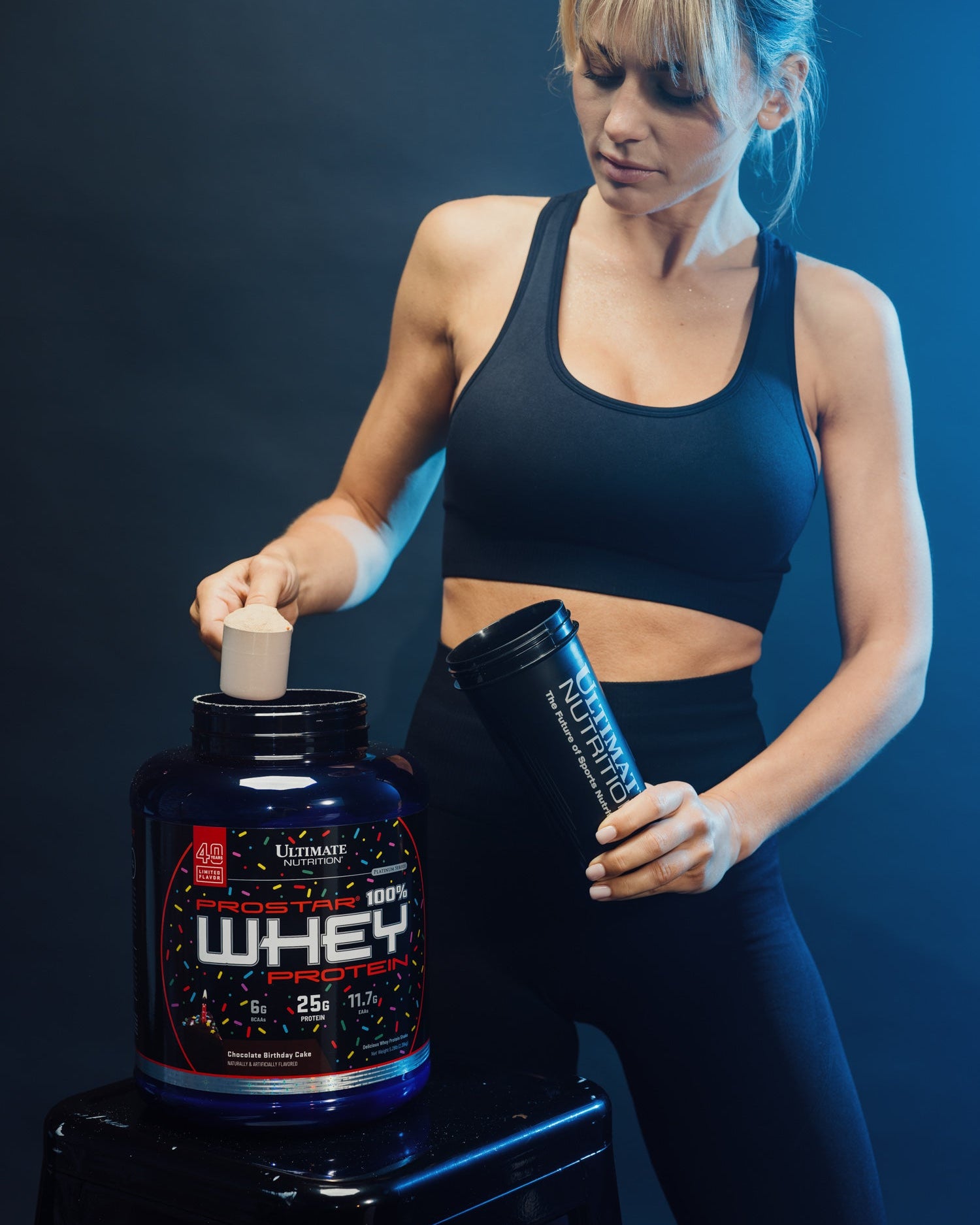
PROSTAR® 100% WHEY PROTEIN delivers a complete amino acid profile with fast absorption, making it an effective post-workout choice to support muscle recovery and curb sugar cravings.
3. Support Recovery with Amino Acids
Amino acids play a key role in reducing muscle breakdown and accelerating recovery - which helps calm the stress signals that drive cravings.
AMINO GOLD® provides essential and branched-chain amino acids to support muscle repair, hydration, and recovery following intense training sessions.
4. Stay Hydrated
Dehydration is often mistaken for hunger or sugar cravings. Rehydrating after workouts helps regulate appetite signals and supports nutrient transport.
Adding amino acid liquids or mixing protein with water post-training can help restore hydration and reduce unnecessary snacking.
5. Prioritize Total Recovery
Poor sleep and high stress amplify cravings especially for sugar. Quality rest improves hormone balance and makes cravings easier to manage naturally.
GLUTAPURE® supports muscle recovery, immune health, and gut function - all of which play a role in regulating appetite and post-workout recovery.

The Bottom Line
Post-workout sugar cravings aren’t the enemy - they’re feedback. It's your body’s way of asking for recovery. When you meet that need with balanced carbohydrates, high-quality protein, and targeted supplementation, you recover faster and perform better.
By understanding why athletes crave carbs and responding with smart nutrition instead of refined sugar, you turn cravings into an advantage instead of a setback.
Fuel wisely. Recover intentionally.
The information provided in this article is for educational purposes only and should not be considered medical advice. Always consult a healthcare professional before starting new nutritional products or making major changes to your diet or training routine. These products are not intended to diagnose, treat, cure, or prevent any disease.