















Your bones and joints are your framework. From crushing your deadlift PR to playing with your kids, these structures work silently in the background – bearing load, absorbing impact, and keeping you mobile. But here's the thing: bone density and joint health don't maintain themselves, especially as training intensity increases and years add up.
The good news? Strategic supplementation combined with smart training can help keep your skeletal system strong and your joints moving smoothly for decades to come.
Understanding Bone Density and Joint Health
Bone tissue is constantly breaking down and rebuilding in a process called remodeling. When you're young, bone formation outpaces breakdown, but this balance shifts as you age. Peak bone mass typically occurs in your late twenties, and after that, maintaining bone density becomes the priority. Factors like training load, nutrition, and hormonal health all play a role in whether your bones stay strong or gradually weaken.
Joints face their own challenges. Cartilage, the smooth tissue that cushions your joints, doesn't have its own blood supply, which means it's slow to repair when damaged. The fluid-filled spaces between bones need proper lubrication, and inflammation can quickly turn minor discomfort into chronic pain that sidelines your training.
Both systems rely heavily on nutrition. Your body needs specific raw materials to maintain bone density and support joint recovery, which is where targeted supplementation comes in.

The Core Nutrients for Bone Health and Joint Support
Calcium: Your Bone's Building Block
Calcium is what bones are literally made of. About 99% of the calcium in your body is stored in your skeletal system, providing structural support and strength. When dietary calcium is insufficient, your body pulls it from your bones to maintain blood calcium levels, gradually weakening bone density over time.
Most adults need around 1,000-1,200mg of calcium daily, and while dairy products, leafy greens, and fortified foods provide some of this, many active individuals benefit from supplementation.
-
Ultimate Nutrition’s Calcium Plus delivers 500mg of calcium per tablet along with the cofactors your body needs for optimal absorption.
Vitamin D: The Absorption Enhancer
Vitamin D isn't technically a vitamin, it's actually a hormone that regulates calcium absorption in your gut. Without adequate vitamin D, your body might only absorb 10-15% of the calcium you consume. With sufficient levels, that jumps to 30-40% or more.
The challenge is that most people don't get enough vitamin D from sunlight alone, especially if they train indoors or live in northern climates. Food sources are limited, making supplementation particularly important for athletes and active individuals.
-
Ultimate Nutrition’s Vitamin D provides 1000 IU (25 mcg) per softgel, supporting not just calcium absorption but also muscle function, immune health, and cellular defense.
Magnesium: The Often-Overlooked Partner
Magnesium doesn't get as much attention as calcium and vitamin D, but it's just as critical for bone health. About 60% of your body's magnesium is stored in bone tissue, where it influences bone crystal formation and helps activate vitamin D so it can do its job.
Magnesium also supports muscle function and recovery, making it doubly valuable for athletes. Unfortunately, intense training can increase magnesium losses through sweat, and many diets fall short of the recommended 310-420mg daily intake.
-
Ultimate Nutrition’s Calcium Plus includes 250mg of magnesium per tablet, providing 63% of your daily value in a form that's designed to work synergistically with calcium and vitamin D for comprehensive bone support.
Zinc: Supports Bone Formation
Zinc plays a role in bone tissue mineralization and helps maintain bone structure. It's also essential for protein synthesis and immune function.
-
Ultimate Nutrition's Zinc provides 30mg per tablet (200% daily value) in a highly bioavailable form combining zinc citrate and zinc sulfate. Beyond bone health, zinc aids in the body's absorption of other minerals and supports immune function, making it a versatile addition to any supplement stack.
Vitamin K2: Directs Calcium to the Right Places
Research increasingly points to vitamin K2 as crucial for bone health. While vitamin D helps you absorb calcium, K2 helps direct that calcium into your bones and teeth rather than soft tissues like arteries where you don't want it accumulating.
-
Ultimate Nutrition's K2+D3 combines these two nutrients in one formula, leveraging their synergistic relationship for optimal bone mineralization and cardiovascular protection.
Omega-3 Fatty Acids: Fights Inflammation
Joint health isn't just about structure, it's also about inflammation control. Omega-3 fatty acids, particularly EPA and DHA, help modulate inflammatory responses that can lead to joint pain and cartilage breakdown.
-
Ultimate Nutrition’s Omega-3 provides concentrated EPA and DHA from fish oil, supporting not just joint health but also heart function, brain health, and overall recovery. The anti-inflammatory properties of omega-3s make them particularly valuable for anyone dealing with joint discomfort or training-related inflammation.
Vitamin C: Builds Connective Tissue
Vitamin C is essential for collagen synthesis. Since collagen makes up a significant portion of bone tissue and is the primary protein in cartilage, adequate vitamin C intake supports both bone density and joint function.
-
Ultimate Nutrition offers multiple vitamin C options including Vitamin C, complete with 500mg (833% recommended daily value) of vitamin C and Vitamin C Plus Calcium, which combines 826mg of vitamin C with 94mg of calcium for enhanced absorption and complementary bone support.
Protein: The Overlooked Bone Health Nutrient
Here's something many people miss: adequate protein intake is crucial for bone health. Your bones aren't just minerals, they're living tissue with a protein matrix that gives them strength and flexibility. Studies show that higher protein intake is associated with better bone density and reduced fracture risk, especially when combined with adequate calcium and vitamin D.
For athletes and active individuals, protein needs are already elevated for muscle recovery and growth. Meeting these needs through quality sources supports bone health as an added benefit.
-
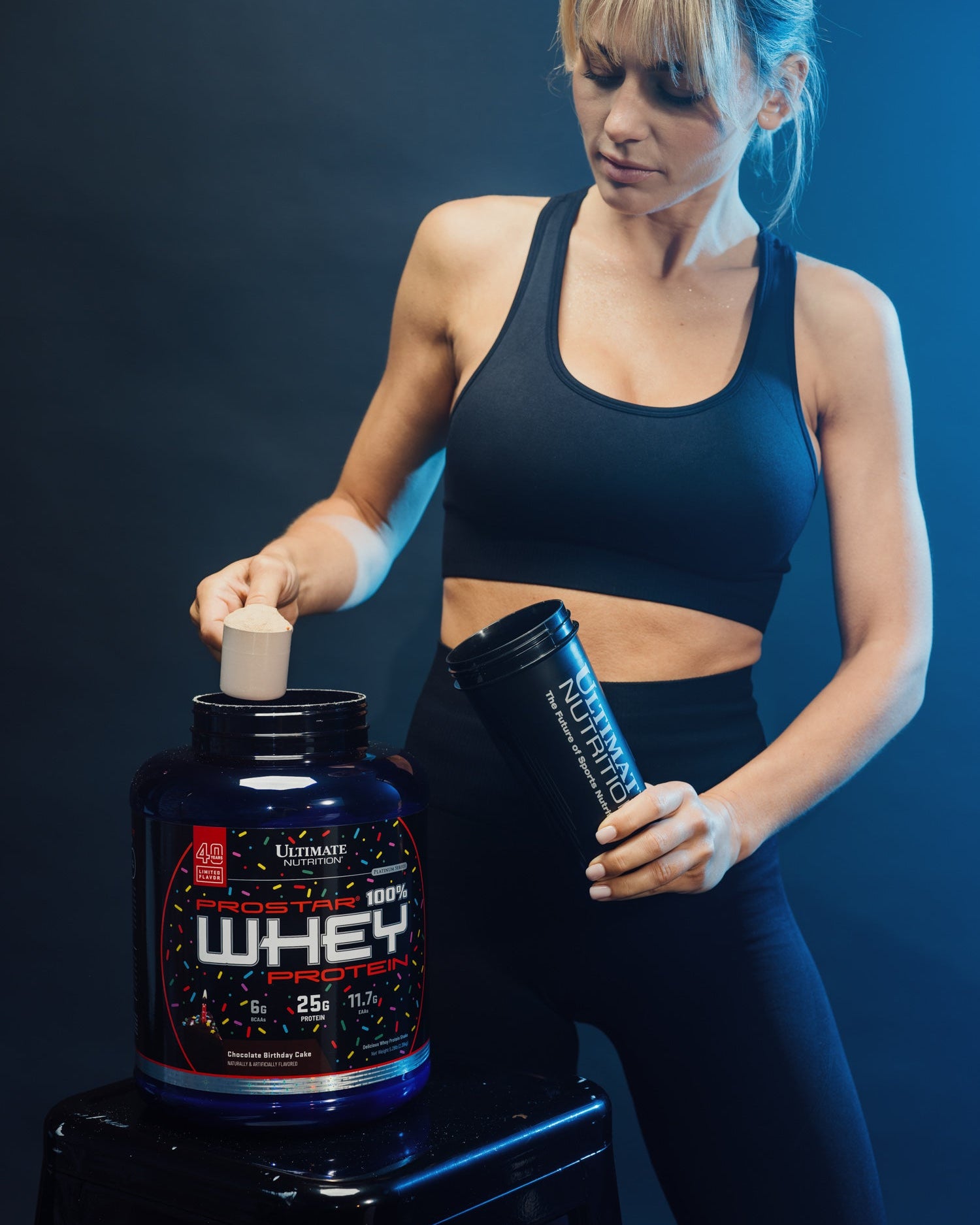
Ultimate Nutrition's protein lineup, including Prostar 100% Whey Protein, Iso Sensation 93, and Clean Whey, provides the amino acids your body needs for bone matrix formation alongside muscle recovery.
The Training Connection
Your supplement strategy should complement your training, not replace good habits. Weight-bearing exercises like lifting, running, and plyometrics provide the mechanical stress that signals your bones to strengthen. Progressive overload in the gym doesn't just build muscle, it builds bone density.
Similarly, proper recovery practices support joint health. Adequate sleep, smart training volume management, and addressing mobility limitations all reduce unnecessary joint stress and inflammation.

The Bottom Line
Building and maintaining strong bones and healthy joints is a long-term project. The choices you make today, from your training program to your supplement stack, compound over years and decades. Peak bone density in your twenties and thirties sets the stage for bone health in your sixties and seventies. Joint care practices you implement now determine whether you're still moving well when you're older.
Think of bone health supplements like insurance for your skeletal system. You're investing in future mobility and strength. Combined with smart training and solid nutrition, strategic supplementation gives your body the raw materials it needs to keep your foundation strong.
Your bones and joints carry you through every workout, every competition, and every day of your life. Take care of them now, and they'll take care of you for decades to come.
The information provided in our articles is meant for informational and educational purposes exclusively and should not be considered as medical advice. It is essential to consult a healthcare professional before starting a new nutritional product and/or making significant changes to your diet and exercise routine. These products are not intended to diagnose, treat, cure, or prevent any disease.