
















Recovery workouts are low-to-moderate intensity sessions designed to promote blood flow, reduce muscle stiffness, and support the biological processes your body relies on to rebuild stronger after hard training. They're not rest days in disguise. They're intentional, strategic movement that creates a physiological environment primed for gains.
The science behind active recovery is straightforward: intense training creates microtears in muscle fibers, depletes glycogen stores, and generates metabolic waste products like lactate. Passive rest allows these processes to run their course, but low-intensity active recovery workouts training accelerates clearance of metabolic byproducts, enhances nutrient delivery to damaged tissue, and maintains neuromuscular coordination without adding significant stress to your system.
The result? Less soreness, faster repair, and a shorter runway back to peak performance.
Active vs. Passive Recovery: Knowing the Difference
Passive recovery means doing nothing – sleeping, sitting, staying off your feet. It has a place in your program, especially after a competition or a particularly brutal training block. But making passive rest your default between hard sessions leaves gains on the table.
Active recovery keeps the physiological machinery running at a low idle. Think light movement that elevates your heart rate just enough to boost circulation without triggering additional stress hormones or muscle breakdown. The sweet spot is typically 40-60% of your maximum heart rate – enough to feel like you're moving, not enough to feel like you're training.
The low-intensity active recovery benefits are well-documented:
-
Enhanced circulation delivers oxygen and nutrients to recovering muscles faster
-
Reduced DOMS (delayed-onset muscle soreness) through improved blood flow and waste clearance
-
Maintained mobility and range of motion that aggressive training can temporarily reduce
-
Nervous system recovery by keeping the body in a parasympathetic, "rest and digest" state
-
Mental engagement that keeps you in a training rhythm without the psychological drain of grinding sessions

The Best Recovery Workout Training Modalities
Not all low-intensity movement is created equal. The best recovery sessions match your training demands, address your body's current needs, and don't add unnecessary fatigue. Here are the most effective options:
Zone 1-2 Cardio
A 20-40 minute walk, easy bike ride, or slow jog keeps your cardiovascular system engaged while actively flushing metabolic waste from your muscles. Keep your effort conversational – if you can't speak in full sentences, you're going too hard. Zone 1-2 cardio is especially valuable after heavy lower body training or high-intensity interval sessions.
Swimming or Pool Work
Water-based recovery is particularly effective because the hydrostatic pressure gently compresses soft tissue while buoyancy reduces joint load. An easy 20-30 minute swim or water walk provides full-body circulation benefits without the impact of land-based training. Athletes recovering from lower body injury or high-mileage running weeks will find pool work especially restorative.
Yoga and Mobility Flow
A 30-45 minute yoga or mobility session addresses the flexibility deficits that accumulate with hard training while promoting parasympathetic nervous system dominance. Focus on hip flexors, thoracic spine, hamstrings, and ankles – the areas most athletes neglect and that training tightens the most. Restorative poses held for 60-90 seconds allow connective tissue to gradually lengthen without triggering protective tension responses.
Light Resistance Training
Bodyweight movements, resistance bands, or very light loads (50-60% of your normal working weights) performed for higher reps can serve as effective recovery tools. The goal isn't to stress the muscle – it's to pump blood through it. Romanian deadlifts with an empty bar, bodyweight squats, or banded pull-aparts after an upper body day help maintain movement patterns while promoting recovery. Keep rest periods short and intensity genuinely low.
Foam Rolling and Soft Tissue Work
While not a traditional "workout," structured foam rolling and soft tissue sessions deserve a place in your recovery workouts training toolkit. Spending 15-20 minutes working through major muscle groups improves tissue quality, reduces localized stiffness, and supports joint mobility. Combine with slow, deliberate breathing to amplify the parasympathetic response.
How to Structure Your Post-Training Recovery Plan
The most effective post-training recovery plan integrates active recovery sessions strategically around your hard training days rather than treating them as an afterthought. Here's a framework that works across training styles:
Immediately After Hard Sessions (0-24 Hours)
The first window after intense training is about kickstarting recovery, not adding more stress. A 10-15 minute cool-down walk or easy bike immediately post-training helps transition your body from a sympathetic to parasympathetic state. Follow with soft tissue work targeting the muscles you just trained. Prioritize nutrition in this window – protein and carbohydrates are critical for initiating muscle repair and glycogen replenishment.
The Day After (24-48 Hours)
This is the prime window for a dedicated active recovery session. Your muscles are in peak repair mode, and gentle movement accelerates the process. Choose a modality that contrasts with your previous day's training – if you trained legs hard, opt for an upper body mobility flow or an easy swim. Keep total session time between 20-45 minutes and heart rate firmly in Zone 1-2. This is also an excellent day to address mobility restrictions that training is gradually worsening.
Between Training Blocks (48-72 Hours)
As you approach your next hard session, focus on restoring full range of motion and ensuring your nervous system is ready to perform. A light movement session combined with deliberate soft tissue work primes your body for the upcoming training stimulus. If you track resting heart rate or heart rate variability, use those metrics to confirm your readiness – your body's biomarkers don't lie.
Deload Weeks
Every 4-8 weeks depending on training intensity, a full deload week where all sessions are treated as recovery workouts allows your musculoskeletal and nervous systems to fully consolidate the adaptations from previous training blocks. Athletes who program regular deloads consistently outperform those who grind without strategic recovery over longer training cycles.

Signs Your Body Is Asking for a Recovery Session
Learning to read your body's signals is a skill that separates good athletes from great ones. Push through when you should recover, and you accumulate fatigue that eventually forces an involuntary break. The following signals suggest your next session should be a recovery workout rather than a hard training day:
-
Persistent muscle soreness beyond 72 hours from your last session
-
Elevated resting heart rate of 5 or more beats above your personal baseline
-
Reduced motivation or mental fog that makes even warming up feel like a chore
-
Performance decrements – slower times, reduced strength, inability to sustain typical training paces
-
Disrupted sleep quality despite feeling physically tired
-
Joint stiffness or tightness that doesn't resolve with a thorough warm-up
None of these signals mean you should do nothing. They mean you should move intentionally at low intensity rather than grind through another hard session that your body isn't ready to handle.
Nutrition to Support Active Recovery
What you eat on recovery days matters as much as what you do. Many athletes under-fuel on lighter training days, assuming lower caloric output requires less nutritional support. In reality, your body is doing significant repair work and needs quality building blocks to complete it.
Protein remains non-negotiable on recovery days.
Muscle protein synthesis peaks in the 24-48 hours following hard training – right when most athletes dramatically reduce their protein intake. Spreading 25-40g of high-quality protein across 4-5 meals throughout your recovery day supports continuous tissue repair.
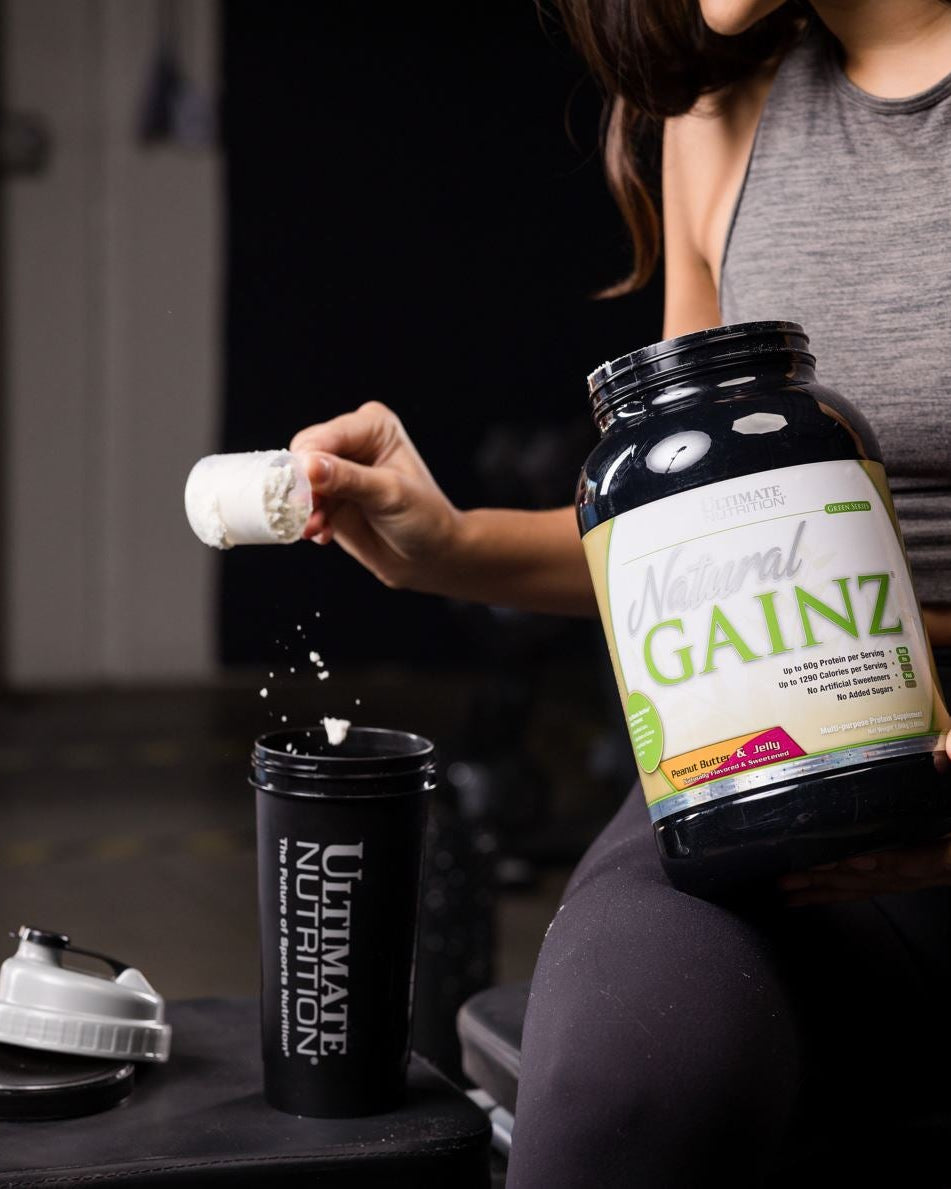
Pro Tip: Prostar 100% Whey Protein provides fast-absorbing protein to fuel that repair process, whether you take it post-light session or between meals.
Carbohydrates replenish glycogen.
Even on lower-intensity recovery days, moderate carbohydrate intake ensures glycogen stores are fully restored before your next hard session. Prioritize complex carbohydrates like oats, sweet potatoes, and rice for sustained energy without significant blood sugar spikes.
Hydration supports every recovery process.
Blood flow, nutrient transport, waste clearance – all of it requires adequate fluid. Athletes who are even mildly dehydrated experience impaired recovery, elevated resting heart rate, and reduced HRV. Consistent hydration throughout recovery days is one of the simplest and most impactful habits you can build.
Strategic Supplementation for Recovery Workouts Training
Hard training creates demands that whole food nutrition alone sometimes can't fully meet. Strategic supplementation fills those gaps and ensures your body has everything it needs to complete the recovery process efficiently.
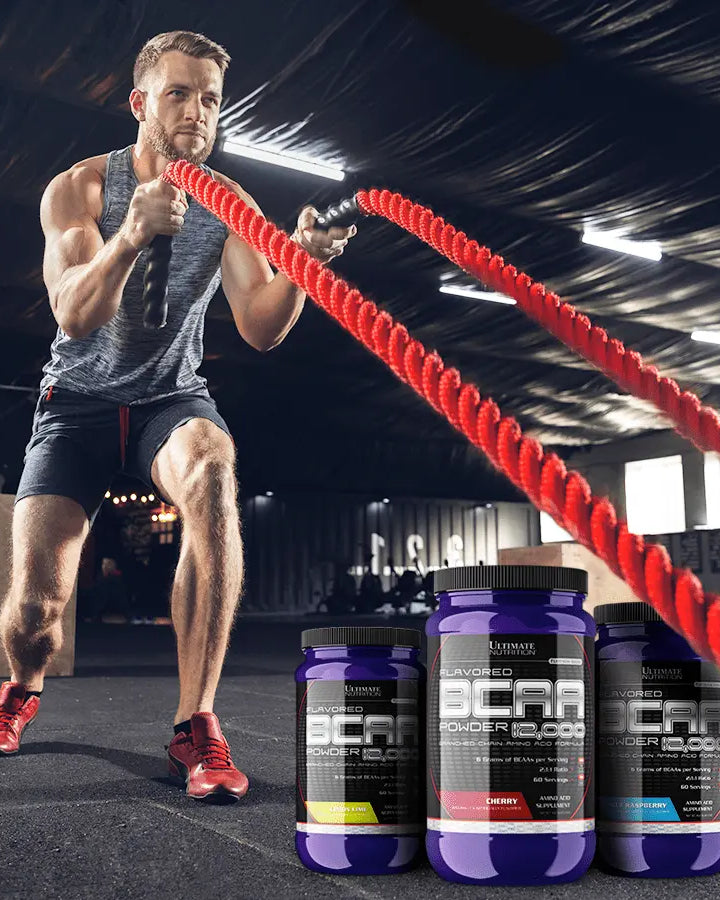
BCAA 12,000 delivers branched-chain amino acids – leucine, isoleucine, and valine – shown to reduce DOMS and accelerate muscle repair. Sipping BCAAs during or after a light recovery session keeps muscle protein synthesis elevated without adding significant calories, making it ideal for athletes managing body composition while maintaining training volume.
GLUTAPURE® provides L-Glutamine – formulated for maximum purity, solubility, and absorption. Intense training significantly depletes glutamine stores, and your immune system relies heavily on glutamine for energy. Supplementing on recovery days helps preserve lean muscle mass, reduce post-workout soreness, and support immune function at a time when overtraining athletes are most vulnerable to getting sick.
Post Gold brings a comprehensive recovery formula that goes far beyond basic protein. Its Elite Recovery Complex pairs BCAAs with Beta-Alanine and Betaine – compounds that support natural growth hormone production while you rest and repair. The Anti-Fatigue & Lean Muscle Blend includes Choline Bitartrate for mental clarity and Glutamine for muscle preservation, while the Electrolyte Replenishment matrix restores the potassium, magnesium, and sodium lost through training.
The Bottom Line
One of the biggest barriers to consistent active recovery is the belief that lighter sessions don't count – that if you're not leaving the gym exhausted, you're not progressing. This mindset is one of the most expensive errors an athlete can make.
Progress happens during recovery. Training provides the stimulus; rest and recovery are where adaptation occurs. Athletes who chronically under-recover don't accumulate more fitness – they accumulate fatigue, risk injury, and eventually plateau despite high effort.
The athletes who consistently show up, train smart, and recover with intention are the ones who reach their potential. Not because they found a shortcut – but because they understand that recovery isn't separate from training, it's the most important part of it.
Train hard. Recover smarter.
The information provided in our articles is meant for informational and educational purposes exclusively and should not be considered as medical advice. It is essential to consult a healthcare professional before starting a new nutritional product and/or making significant changes to your diet and exercise routine. These products are not intended to diagnose, treat, cure, or prevent any disease.