










Most people know the basic story: not enough protein, and muscle is the first thing to go. That's true, but it's also incomplete. Protein is a building block for far more than muscle tissue, and when intake falls short, some of the earliest warning signs show up in places that have nothing to do with the gym.
Here's what those signs actually look like, why they happen, and how to tell if protein is the piece you're missing.
Why Protein Deficiency Shows Up in So Many Places
Protein isn't a single-purpose nutrient. Your body uses it to build keratin in hair and nails, collagen in skin and connective tissue, antibodies for your immune system, enzymes that run basically every chemical reaction in your body, and the transport proteins that move hormones and nutrients where they need to go. Muscle just happens to be the most visible use of protein, not the only one.
When protein intake doesn't cover all of that, your body starts prioritizing. Survival functions get first pick, and the more cosmetic or "optional" uses, like hair growth or nail strength, often get shortchanged first. That's why some of the earliest signs of not eating enough protein can show up well before you notice anything changing in the mirror at the gym.
Signs You're Not Getting Enough Protein
Hair thinning or increased shedding. Hair follicles are protein-hungry, and when intake is inadequate, follicles can be pushed prematurely into a resting phase, a condition called telogen effluvium. Cleveland Clinic notes that increasing protein intake is one of the standard recommendations for managing this type of hair loss, particularly for anyone eating a restrictive or plant-based diet without enough protein sources.
Brittle nails that split or peel. Nails are made almost entirely of keratin, the same structural protein found in hair. When protein is in short supply, nails are one of the first places the shortage becomes visible: thin, weak, and prone to breaking or peeling at the edges.
Slower healing from cuts, bruises, or workouts. Protein is essential for tissue repair, from minor cuts to muscle recovery. Clinical nutrition resources on wound healing note that protein deficiency is consistently linked to slower healing and a higher risk of skin breakdown, since your body relies on adequate protein to rebuild damaged tissue and mount an effective inflammatory response. If cuts seem to take longer to close than they used to, or soreness lingers well past what feels normal, protein intake is worth a second look.
Getting sick more often. Antibodies, the proteins your immune system uses to fight off infection, are built from the same amino acid pool as everything else. When protein is chronically low, your body has less raw material to produce them, which can leave you catching colds more easily or taking longer to recover from illness.
Constant hunger, even after eating. Protein is the most satiating macronutrient there is. Research on appetite and diet composition has consistently found that meals higher in protein suppress hunger hormones and increase feelings of fullness more effectively than similar meals higher in carbs or fat. If you're eating what feels like enough food but still feel hungry an hour later, a low-protein meal pattern is a common, overlooked culprit.
Puffiness or mild swelling, especially in the legs and feet. This one is less common and shows up mainly with more significant protein shortfalls, but it's worth knowing about. Protein in the blood helps keep fluid balanced between blood vessels and surrounding tissue. When protein levels drop enough, fluid can shift into tissue and cause visible swelling. This is much more associated with clinical malnutrition than with a slightly under-target diet, but persistent, unexplained swelling is always worth mentioning to a doctor regardless of the cause.
Low energy and brain fog that don't match your sleep or training load. Protein plays a role in producing neurotransmitters that affect mood and alertness. A consistent shortfall can leave you feeling flat or foggy in a way that doesn't line up with how much you've slept or how hard you've trained, since the usual suspects don't explain it.

Common Myths About Protein Deficiency
Myth: Only vegans and vegetarians need to worry about this.
Plant-based eaters do need to be more intentional about protein sources, but plenty of omnivores fall short too, especially anyone cutting calories aggressively, skipping meals, or building a diet mostly around carbs and fat without much thought to protein at each meal.
Myth: If you haven't lost muscle, your protein intake is fine.
Muscle loss tends to show up later, after other systems have already been shortchanged. Many of the signs above can appear while muscle mass is still holding steady, especially in someone who's newer to training and hasn't built much of a muscle "reserve" to draw from yet.
Myth: Protein deficiency is only a problem in developing countries.
Severe deficiency, the kind linked to visible swelling and serious illness, is rare in places with reliable access to food. But a milder, chronic shortfall relative to what an active body actually needs is common, particularly among people trying to lose weight, older adults with reduced appetite, and anyone who simply isn't tracking intake at all.
Who Should Pay Closest Attention
Anyone in an aggressive calorie deficit is at higher risk, since cutting food overall often cuts protein along with it unless intake is deliberately protected. Older adults are another group worth flagging, since appetite naturally declines with age and protein needs for maintaining muscle actually go up. Vegetarians, vegans, and anyone eating a lot of processed or convenience food without much thought to protein sources should also take a closer look at their typical day of eating.
How Much Protein Do You Actually Need
For most active adults, a daily intake in the range of 1.4 to 2.0 grams of protein per kilogram of bodyweight covers building and maintaining muscle, with the added roles described above riding along on the same intake. If several of the signs above sound familiar, tracking your actual protein intake for a few days is usually more revealing than guessing. Our guide on macronutrient ratios walks through how to calculate a target based on your specific goal, and our piece on what your skin, hair, and nails are telling you goes deeper into the broader nutrient picture behind these same signs.

Closing the Gap
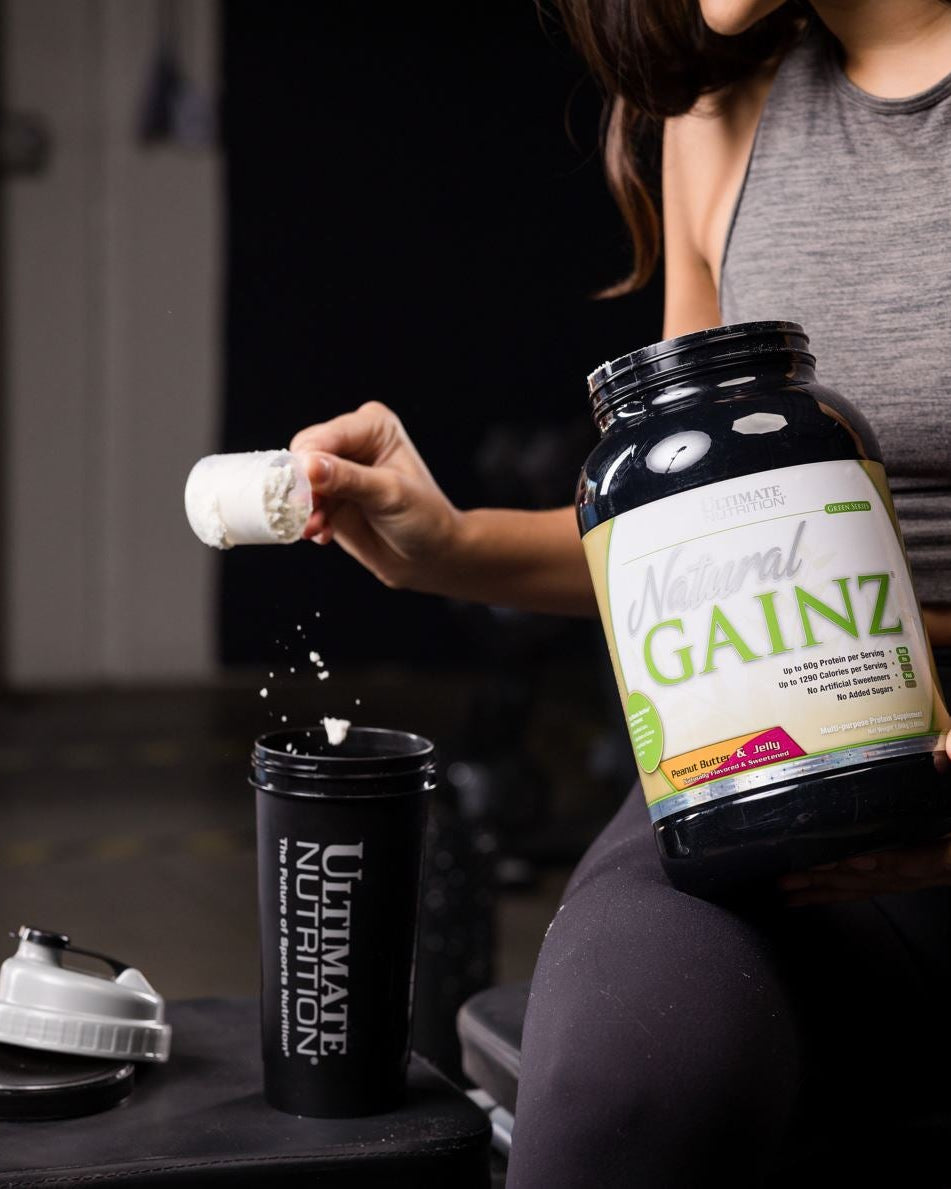
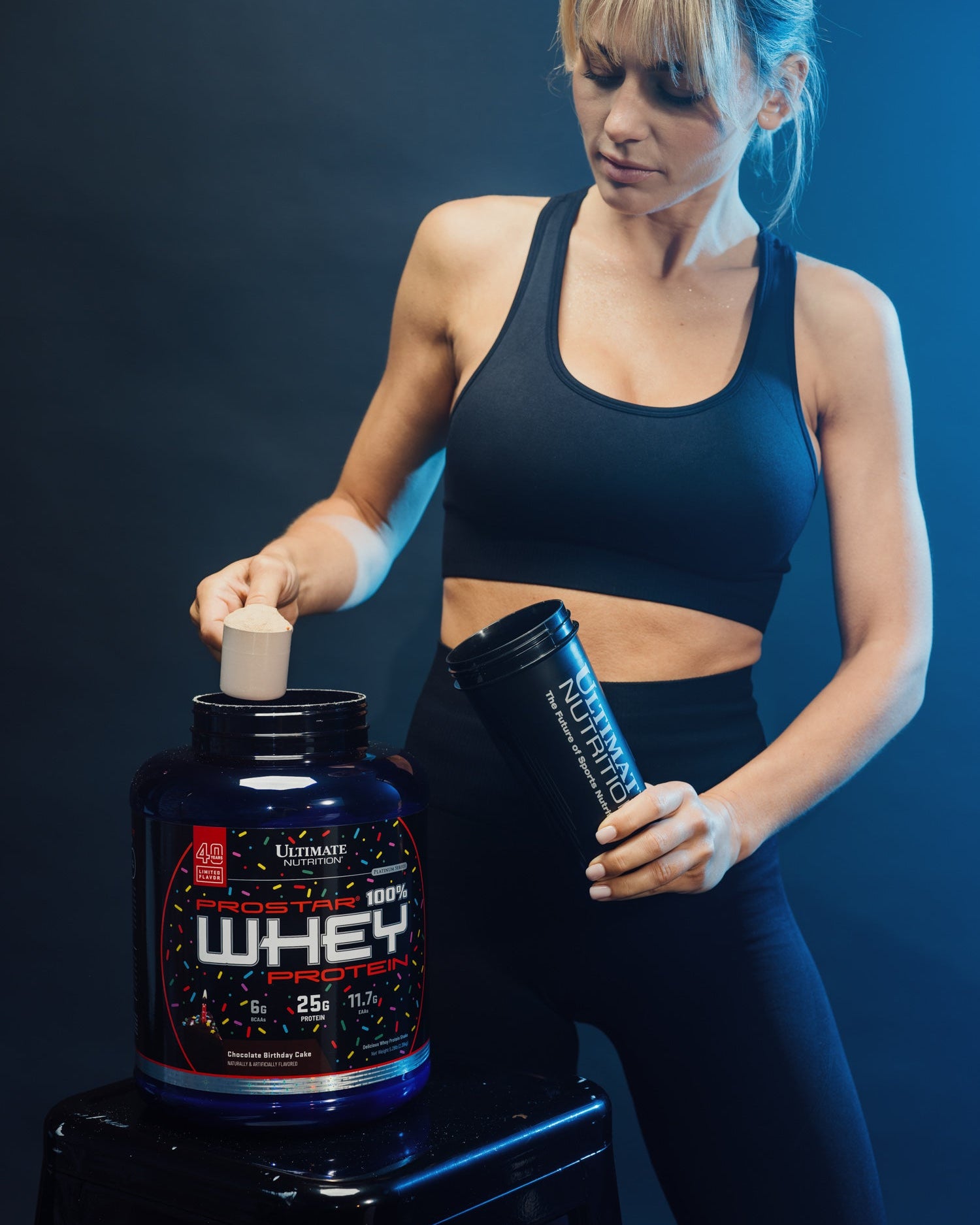
For most people, closing a protein gap is a matter of building meals around a protein source first rather than as an afterthought. A whey shake is one of the simplest ways to add a reliable dose without much planning. Prostar 100% Whey Protein delivers 25 grams of protein per serving, which is an easy way to close the distance between what you're eating and what your body actually needs, especially on busy days when a full meal isn't realistic.
If you're also managing calories closely, a leaner option can help you hit your protein number without spending your remaining calories on much else. ISO Sensation 93 delivers 30 grams of protein at just 130 calories per serving, which makes it easier to prioritize protein even on a tighter calorie budget.
The Bottom Line
Muscle loss is the sign most people watch for, but it's usually not the first one to appear. Hair, nails, skin, immunity, appetite, and energy all lean on protein just as much, and they tend to show the strain earlier. If a few of these signs sound familiar, it's worth looking at your actual daily intake before assuming something else is to blame, and worth talking to a doctor if symptoms like persistent swelling, slow-healing wounds, or ongoing fatigue don't improve once protein intake is addressed.
The information provided in our articles is meant for informational and educational purposes exclusively and should not be considered as medical advice. It is essential to consult a healthcare professional before starting a new nutritional product and/or making significant changes to your diet and exercise routine. These products are not intended to diagnose, treat, cure, or prevent any disease.