

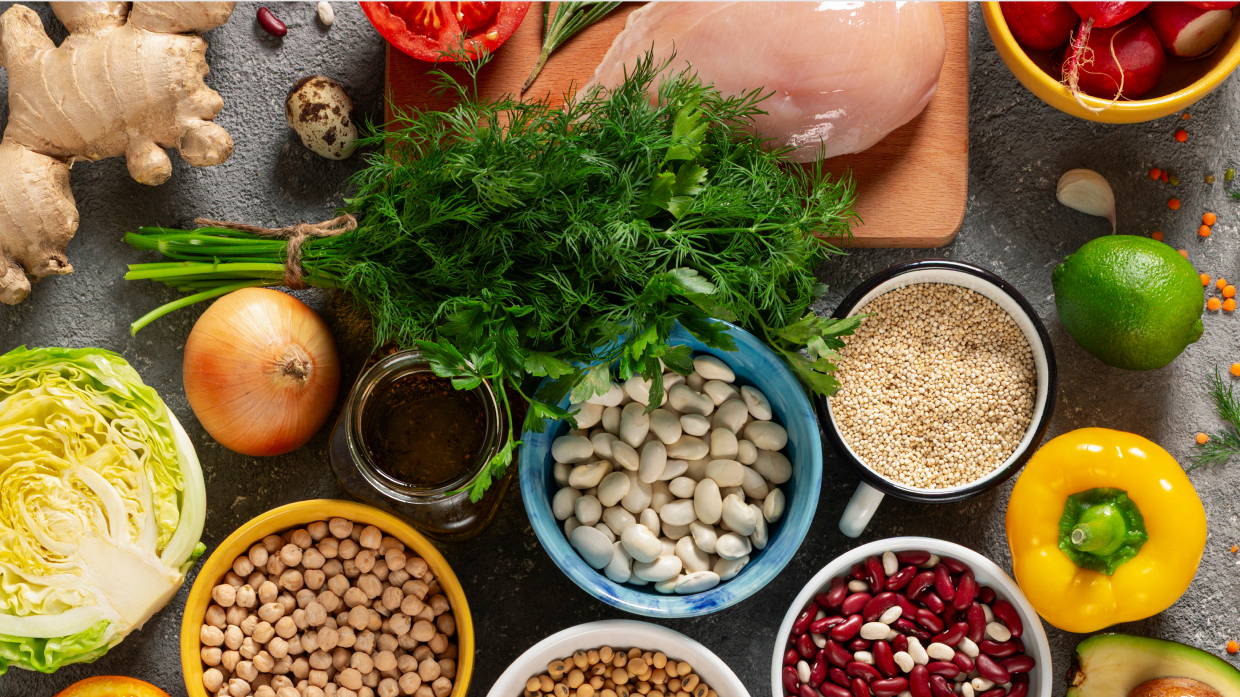
Stop Chasing the Perfect Macro Split: How to Adjust Your Macros as Your Goals Change
Your macro split should evolve with your goals. Learn when and how to adjust protein, carbohydrates, fats, and calories for fat loss, muscle gain, and better training performance.

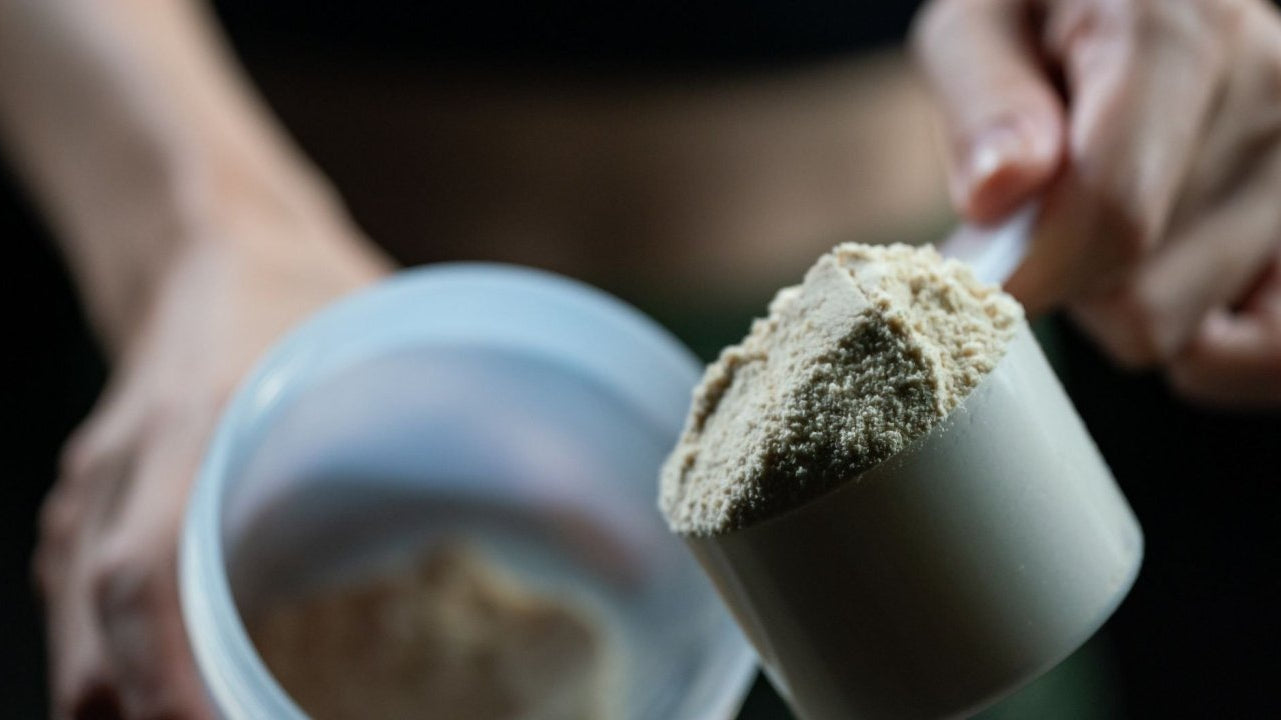
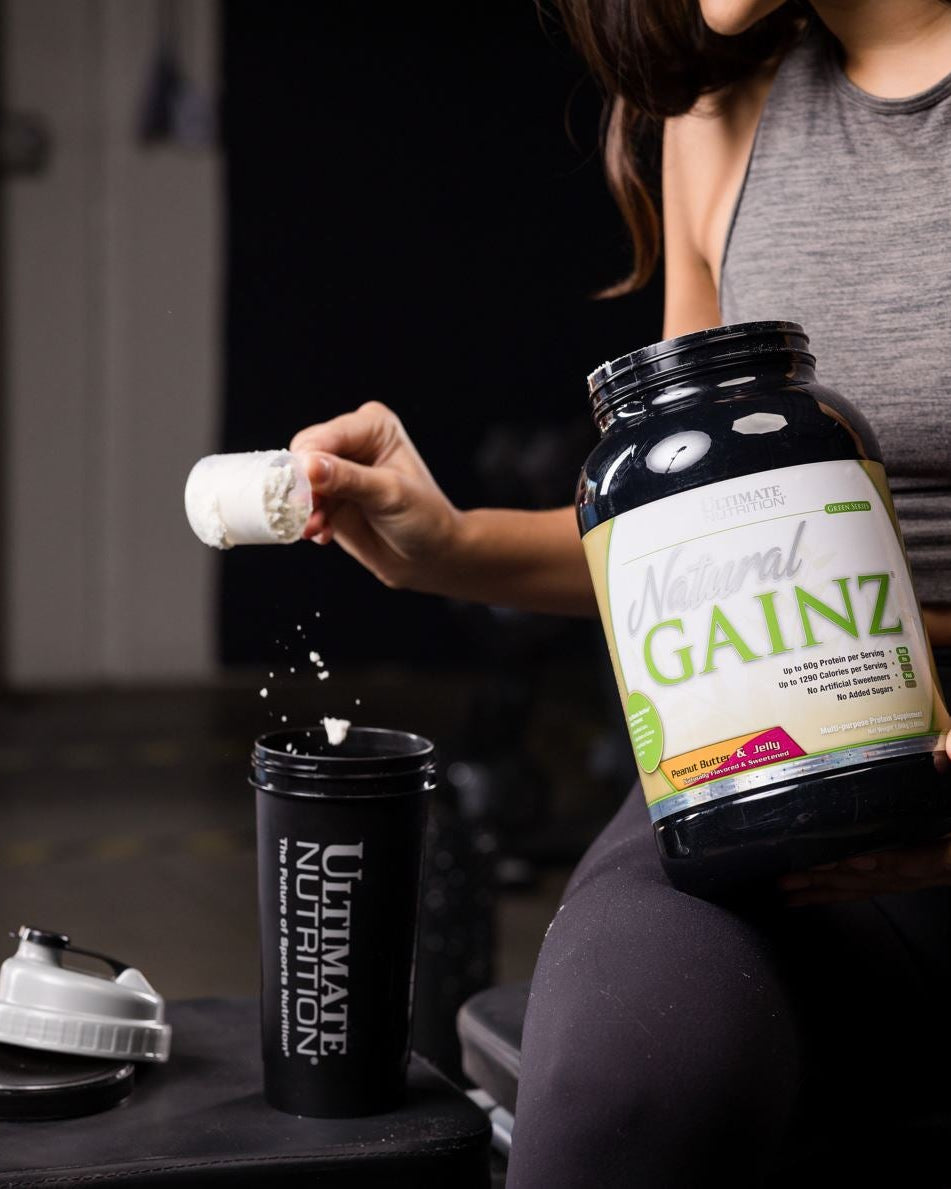
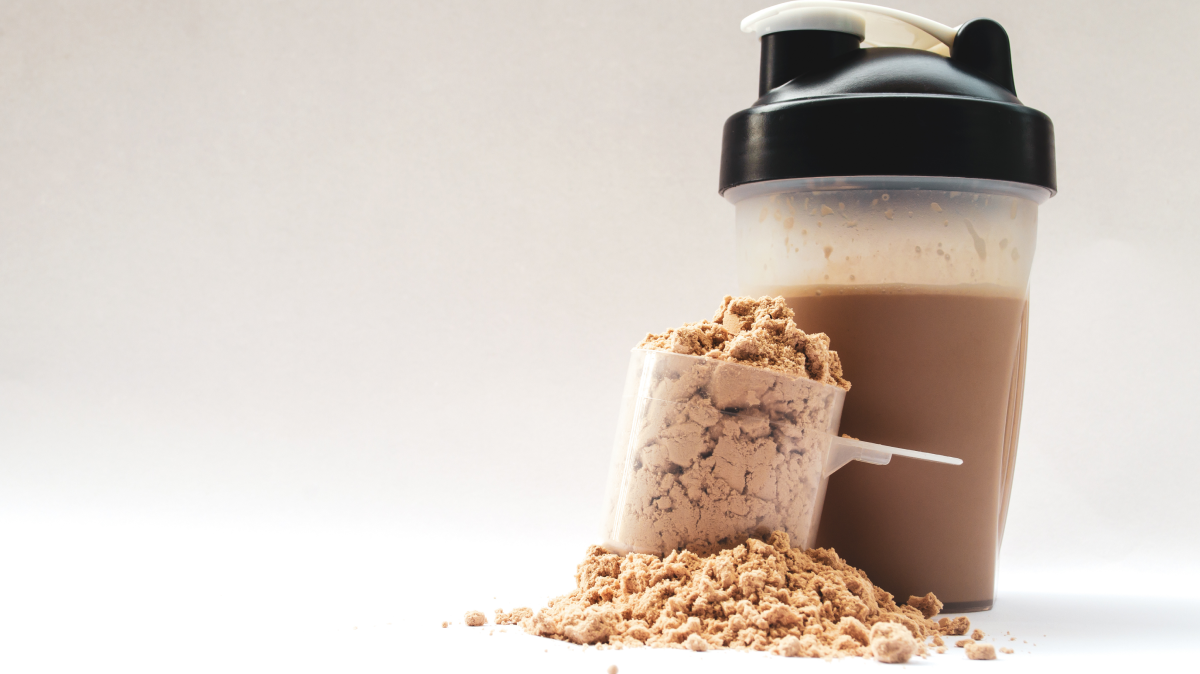
Why Protein Powder Makes You Bloated – And How to Fix It
Bloated after a protein shake? It's probably your formula, not protein itself. Here's how to fix it without giving up your gains.

Women & Supplements: What Actually Works (and What’s Overhyped)
The women's supplement market is full of noise. Here's what the research actually says about protein, creatine, vitamin D, omega-3s, and more – and what to skip.

Spring Cutting Season: How to Lean Out Without Losing Muscle
Master spring cutting season with proven strategies to shed body fat while protecting hard-earned muscle. Nutrition, training, and supplement tips for athletes.
Eating for Early-Morning Training: What to Eat When You Don’t Have an Appetite
Struggling with early morning workout nutrition? Learn what to eat before a morning workout when you're not hungry, plus smart fasted vs fed training strategies.
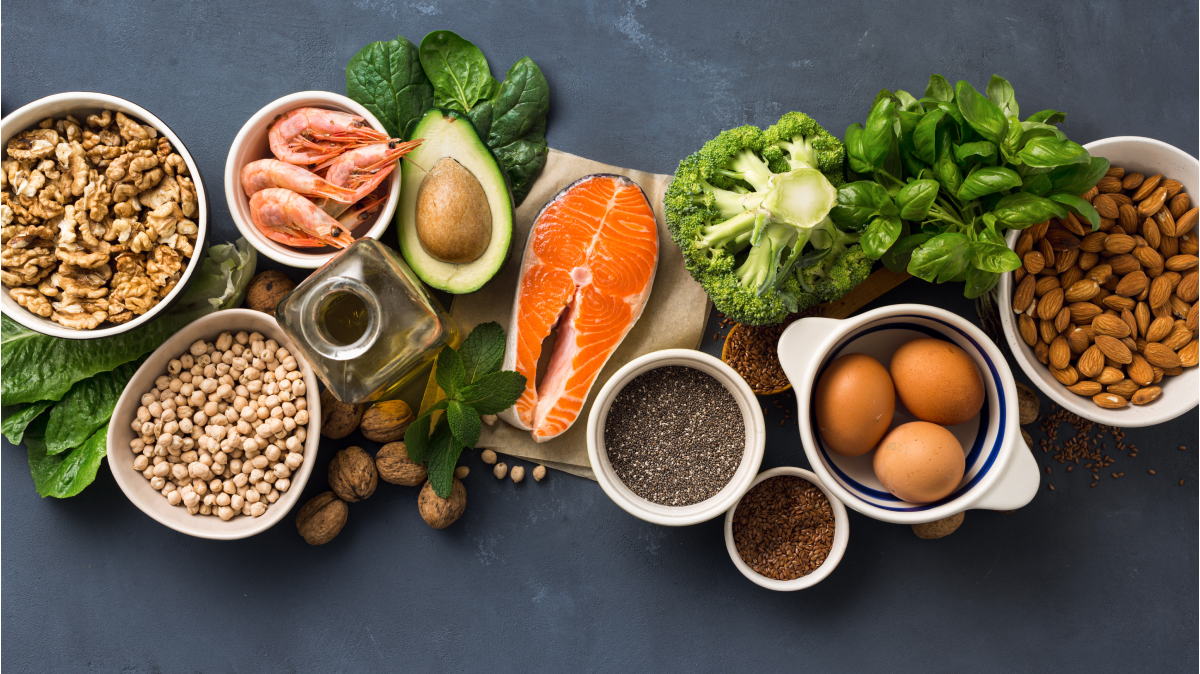
The Thermic Effect of Food: How Eating Boosts Your Metabolism
Discover the thermic effect of food (TEF) and how protein, smart nutrition, and meal timing can boost metabolism, support recovery, and improve performance.

Protein Absorption Myths: How Much Can You Really Use Per Meal?
Think your body can only absorb 30g of protein at a time? Learn the truth behind protein absorption myths and how much you can really use per meal for muscle growth.