





The fitness world loves a good debate. Cardio vs. weights. HIIT vs. steady-state. And now, one of the most popular questions we're seeing: strength training vs Pilates?
Both have passionate advocates. Strength training enthusiasts swear by the muscle-building, metabolism-boosting power of weights. Pilates devotees praise the core stability, flexibility, and mind-body connection that comes from their practice. But which one is actually better for your goals?
The truth? It's not about one being universally superior – it's about understanding what each offers, and how they align with your specific fitness objectives. Whether you're chasing muscle gains, improved mobility, injury prevention, or a balanced physique, the answer might surprise you.
In this comprehensive guide, we'll break down the science behind both modalities, explore their unique benefits, and help you determine which approach (or combination) will get you closer to your goals.
 Understanding the Fundamentals
Before we dive into the comparison, let's establish what we're actually talking about.
What Is Strength Training?
Strength training, also called resistance training, involves exercises that make your muscles work against an external force – whether that's free weights, machines, resistance bands, or even your own body weight. The primary goal is to increase muscular strength, power, and size through progressive overload.
Key characteristics of strength training:
✓ Progressive resistance – gradually increasing weight or difficulty
✓ Focus on compound and isolation movements
✓ Emphasis on muscle hypertrophy and strength gains
✓ Measurable progress through increased load capacity
✓ Typically higher intensity, shorter duration sessions
What Is Pilates?
Pilates is a low-impact exercise method developed by Joseph Pilates in the early 20th century. It emphasizes controlled movements, core stability, proper alignment, and the connection between the mind and body. While it does build strength, the approach is fundamentally different from traditional resistance training.
Key characteristics of Pilates:
✓ Focus on core stability and control
✓ Emphasis on quality of movement over quantity
✓ Incorporation of flexibility and mobility work
✓ Mind-body connection and breathing techniques
✓ Lower impact on joints with emphasis on alignment
Both are valuable forms of exercise, but they achieve different outcomes through different mechanisms. Understanding these differences is the first step in choosing the right approach for you.

Strength Training Benefits: Building Power and Performance
When it comes to pure muscle building, metabolic enhancement, and raw strength gains, traditional strength training holds some distinct advantages.
Muscle Hypertrophy and Strength Gains
The most obvious strength training benefit is its unmatched ability to build muscle mass and increase strength. Through progressive overload – consistently challenging your muscles with heavier weights or more difficult variations – you create the stimulus needed for significant hypertrophy.
Research consistently shows that resistance training with adequate load (typically 60-85% of your one-rep max) produces superior muscle growth compared to low-resistance, high-repetition exercises.
If your primary goal is to get bigger, stronger, and more powerful, strength training is the most efficient path.
Metabolic and Hormonal Advantages
Strength training creates a unique metabolic environment that supports body composition goals:
-
Increased resting metabolic rate: Muscle tissue is metabolically active, burning calories even at rest. The more muscle you carry, the higher your baseline calorie expenditure.
-
EPOC effect: High-intensity resistance training creates "excess post-exercise oxygen consumption," meaning you continue burning additional calories for hours after your workout ends.
-
Favorable hormonal response: Heavy resistance training stimulates the release of anabolic hormones like testosterone and growth hormone, which support muscle growth and fat loss.
Bone Density and Joint Health
Weight-bearing exercise is one of the most effective interventions for building and maintaining bone density, particularly important as we age. The mechanical stress from lifting weights stimulates bone formation, reducing the risk of osteoporosis and fractures.
Contrary to popular belief, properly executed strength training also protects joints by strengthening the surrounding musculature and improving movement mechanics.
Functional Strength and Athletic Performance
If you play sports, compete athletically, or simply want to maintain your ability to perform daily activities with ease, strength training builds the foundation. The ability to generate force quickly (power), move heavy loads, and maintain that capacity throughout life has direct carryover to nearly every physical pursuit.
Time Efficiency
For pure muscle building and strength gains, nothing beats the efficiency of a well-designed resistance training program. You can achieve significant results with 3-4 focused sessions per week, each lasting 45-60 minutes.
Pilates Workout Benefits: Core Stability and Movement Quality
While Pilates might not create the same dramatic muscle growth as heavy lifting, it offers unique advantages that complement and sometimes surpass traditional strength training.
Core Strength and Stability
Pilates is unrivaled in its ability to develop deep core strength and stability. Unlike traditional ab exercises that focus on superficial muscles, Pilates targets the entire core cylinder – including the transverse abdominis, multifidus, pelvic floor, and diaphragm.
This deep core strength translates to:
-
Better posture and spinal alignment
-
Reduced lower back pain
-
Improved force transfer during athletic movements
-
Enhanced balance and coordination
Flexibility and Mobility
One significant advantage of Pilates over traditional strength training is its integrated approach to flexibility. Many strength training programs neglect mobility work, leading to muscle tightness and restricted range of motion. Pilates inherently includes dynamic stretching and mobility work within the practice itself.
This is particularly valuable for:
-
Athletes who need full range of motion for their sport
-
Individuals recovering from injury
-
Anyone experiencing chronic tightness or postural imbalances
-
Aging populations looking to maintain functional movement
Mind-Body Connection and Movement Quality
Pilates emphasizes conscious control of movement, breath work, and proprioception (body awareness in space). This heightened focus on quality over quantity teaches you to move with better mechanics, which has protective benefits that extend beyond the studio.
Better movement quality means:
-
Reduced injury risk in daily life and other training
-
More efficient movement patterns
-
Greater body awareness
-
Improved coordination
Low-Impact, Joint-Friendly Exercise
For individuals with joint issues, previous injuries, or those who need lower-impact options, Pilates provides a way to build strength and conditioning without the joint stress that comes with heavy loading.
This makes Pilates particularly valuable for:
-
Rehabilitation and injury recovery
-
Prenatal and postnatal fitness
-
Older adults
-
Anyone managing chronic joint conditions
Injury Prevention
The emphasis on proper alignment, core stability, and balanced muscle development makes Pilates an excellent injury prevention tool. Many physical therapists incorporate Pilates principles into rehabilitation programs because of its ability to address muscle imbalances and movement dysfunction.
Pilates vs Weights: The Direct Comparison
Now let's get specific. How do these two modalities stack up across key fitness metrics?
Muscle Building: Advantage Strength Training
When it comes to pure hypertrophy, strength training wins decisively. The progressive overload principle – consistently increasing resistance – is the most effective stimulus for muscle growth. While Pilates does build muscle tone and endurance, it doesn't create the mechanical tension needed for significant size gains.
Bottom line: If building visible muscle mass is your primary goal, prioritize strength training.
Core Strength: It's Complicated
This is where the answer becomes more nuanced. Strength training absolutely builds core strength – compound movements like squats, deadlifts, and overhead presses require significant core stabilization. However, Pilates specifically targets the deep core stabilizers in ways that traditional strength training often misses.
Bottom line: For pure core endurance and deep stabilizer development, Pilates has an edge. For total core strength including the ability to brace under heavy loads, strength training is essential.
Flexibility and Mobility: Advantage Pilates
Unless you're specifically programming mobility work into your strength training routine (and most people don't), Pilates offers superior flexibility and range of motion development. The flowing, controlled movements naturally incorporate dynamic stretching throughout the practice.
Bottom line: Pilates inherently improves flexibility; strength training requires intentional mobility work to achieve the same benefit.
Athletic Performance: Depends on Your Sport
For sports requiring maximal strength, power, and speed think football, sprinting, Olympic lifting – traditional strength training is non-negotiable. For sports emphasizing control, stability, and precise movement patterns – like dance, gymnastics, or golf – Pilates principles are incredibly valuable.
Bottom line: Your sport determines the priority, but most athletes benefit from both.
Bone Density: Advantage Strength Training
The mechanical load from resistance training provides a more powerful stimulus for bone formation than the lower-impact nature of Pilates. For osteoporosis prevention and bone health, especially in aging populations, strength training with appropriate loading is superior.
Bottom line: Strength training is the gold standard for bone density.
Injury Prevention and Rehabilitation: Advantage Pilates
The controlled, low-impact nature of Pilates makes it ideal for injury recovery and prevention. The emphasis on proper mechanics and balanced development addresses the root causes of many injuries.
Bottom line: For rehabilitation and movement pattern correction, Pilates is typically the better choice.
Calorie Burn and Fat Loss: Advantage Strength Training
While both can support fat loss when combined with appropriate nutrition, strength training's impact on muscle mass and metabolic rate gives it an edge for body composition goals. The higher intensity and EPOC effect mean you're burning more calories both during and after your workouts.
Bottom line: For fat loss and metabolic benefits, strength training has the advantage.
Which Should You Choose?
The answer depends entirely on your specific goals, current fitness level, and personal preferences.
Choose Strength Training If Your Priority Is:
-
Building significant muscle mass
-
Maximizing strength and power
-
Improving body composition and fat loss
-
Enhancing bone density
-
Preparing for strength or power sports
-
Time-efficient muscle building
Choose Pilates If Your Priority Is:
-
Developing core stability and control
-
Improving flexibility and mobility
-
Recovering from injury
-
Finding low-impact exercise options
-
Enhancing mind-body connection
-
Correcting postural imbalances
-
Supporting other training through improved movement quality
The Best Answer: Combine Both
Here's what we've learned from working with thousands of athletes and fitness enthusiasts: the most balanced, injury-resistant, high-performing individuals incorporate elements of both strength training and Pilates into their routines.
This doesn't mean spending equal time on both. Instead, it means using each modality strategically based on your primary goals:
-
Strength-focused athletes might do 3-4 strength sessions per week plus 1 Pilates session for mobility and core stability.
-
Pilates enthusiasts looking to build more muscle could add 2 focused strength sessions while maintaining their regular Pilates practice.
-
Balanced approach seekers might alternate 2 days of strength training with 2 days of Pilates, creating a well-rounded program.
Creating Your Optimal Program
Regardless of which path you choose, success requires consistency, progressive challenge, and proper recovery. Here's how to maximize results:
For Strength Training Success:
-
Follow a structured program with progressive overload
-
Focus on compound movements (squats, deadlifts, presses, rows)
-
Include adequate rest between sessions (48-72 hours for muscle groups)
-
Prioritize recovery with proper nutrition and sleep
-
Consider adding mobility work on rest days
For Pilates Success:
-
Work with a qualified instructor initially to learn proper form
-
Practice consistently (2-3 times per week minimum for results)
-
Progress to more challenging variations and equipment (reformer, tower)
-
Focus on precision and control rather than rushing through movements
-
Combine with some form of cardiovascular exercise
For Combined Approach Success:
-
Allow adequate recovery between high-intensity sessions
-
Use Pilates as active recovery between strength sessions
-
Address weaknesses—if you're strong but inflexible, prioritize mobility work
-
Listen to your body and adjust volume as needed
Fueling Your Performance: The Nutrition Component
Regardless of whether you choose strength training, Pilates, or a combination, proper nutrition and supplementation optimize your results and recovery.
Protein: The Foundation
Both strength training and Pilates benefit from adequate protein intake to support muscle recovery and development. While strength training requires more protein for muscle growth (generally 1.6-2.2g per kilogram of body weight), even Pilates practitioners need sufficient protein for tissue repair and maintenance.
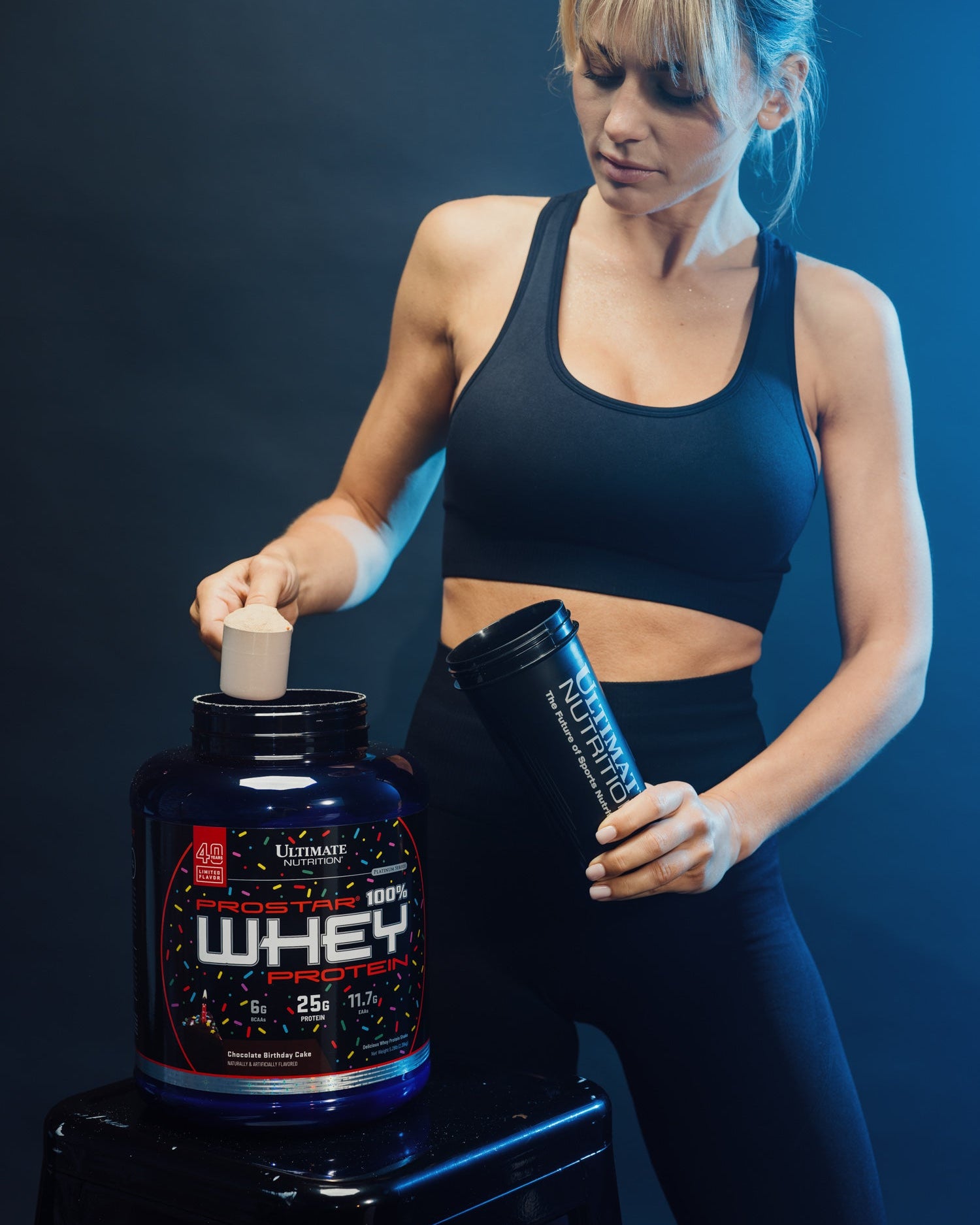
Prostar 100% Whey Protein provides fast-absorbing, high-quality protein ideal for post-workout recovery. With 25g of protein per serving and minimal carbs and fat, it's efficient fuel for lean muscle support.
For those who prefer or require lower-lactose options, ISO Sensation 93 offers ultra-pure whey protein isolate with 93% protein content.
Pre-Workout Energy and Focus
Whether you're hitting heavy squats or a challenging Pilates reformer session, mental focus and physical energy enhance performance and results.
Horse Power X delivers clean, sustained energy without the jitters, helping you maintain focus through technically demanding workouts. The balanced formulation supports both the intensity needed for strength training and the mental concentration required for precise Pilates movements.
Recovery and Adaptation
The stress you place on your body during training is only part of the equation – recovery is where adaptation happens.
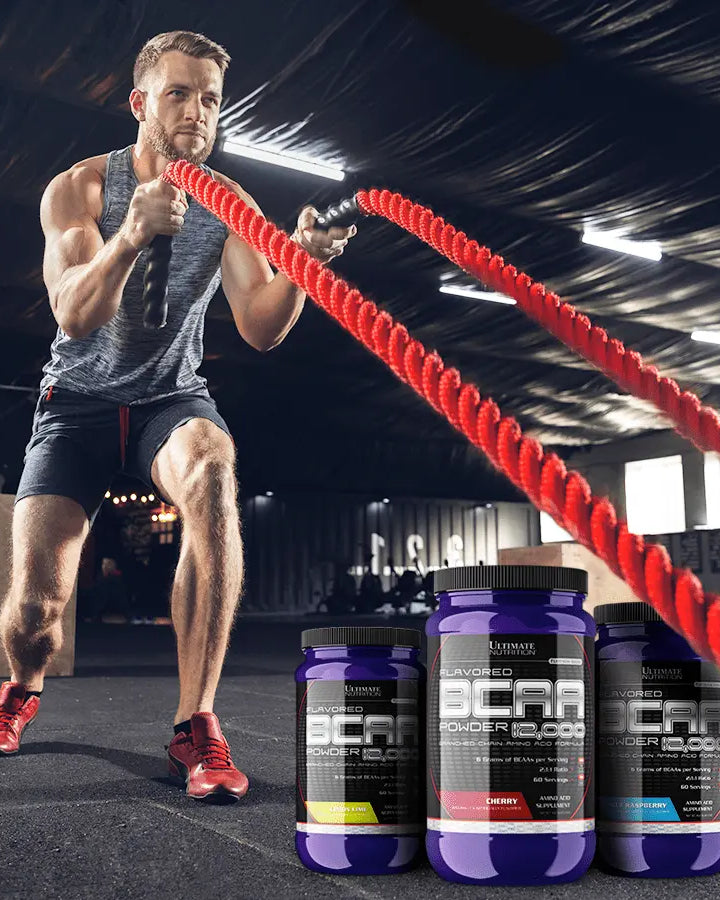
BCAA 12,000 supports muscle recovery with a comprehensive amino acid profile. While particularly valuable for strength training, BCAAs also aid recovery from the muscular endurance demands of Pilates.
GlutaPure provides pharmaceutical-grade L-Glutamine, supporting muscle recovery, immune function, and gut health – all critical for consistent training.
For overnight recovery, REM Zone combines sleep support with muscle recovery ingredients, helping you wake up ready for your next session.
Joint Health and Mobility
For longevity in any training program, joint health matters. This is particularly important if you're combining high-load strength training with mobility work.
Omega-3 fatty acids support joint health and reduce exercise-induced inflammation, while a comprehensive multivitamin ensures you're not deficient in nutrients critical for bone health, connective tissue, and overall recovery.

The Bottom Line
The strength training vs Pilates debate doesn't have a universal winner because these modalities serve different purposes. Understanding what each offers allows you to make informed decisions based on your specific goals, needs, and preferences.
For most people, the optimal approach incorporates elements of both, weighted toward whichever aligns with your primary goals. A powerlifter benefits from Pilates-based mobility work. A Pilates enthusiast builds a stronger, more resilient body by adding resistance training.
Rather than viewing this as an either-or decision, consider how each modality can support your overall fitness journey. Your body thrives on varied stimulus, balanced development, and sustainable practices you can maintain for life.
The real question isn't "which is better?" but rather "what combination will help me move better, feel better, and achieve my specific goals?" Answer that honestly, and you'll find your path forward.
Identify your goals. Train smart. Move with intention.
The information provided in our articles is meant for informational and educational purposes exclusively and should not be considered as medical advice. It is essential to consult a healthcare professional before starting a new nutritional product and/or making significant changes to your diet and exercise routine. These products are not intended to diagnose, treat, cure, or prevent any disease.