

Life doesn't always give you time to mix a shake. Between back-to-back meetings, long commutes, mid-afternoon hunger crashes, and trying to hit your daily protein target, finding snacks that actually support your goals can feel like a job in itself.
The good news? High-protein eating doesn't start and end with a blender. There are smart, portable, performance-friendly options that fit into even the busiest days – and knowing which ones to reach for can make the difference between staying on track and falling short of your nutrition goals.
Here's what to snack on when you're serious about protein, but the shaker bottle isn't an option.
Why Protein Timing Matters Beyond Your Workouts
Most athletes think about protein in the context of post-workout recovery. And yes, getting adequate protein after training is critical – it initiates muscle protein synthesis, supports repair, and helps reduce soreness. But protein's role doesn't stop there.
Research consistently shows that distributing protein intake evenly throughout the day, rather than front- or back-loading it, leads to better muscle protein synthesis overall. That means the protein you consume at 10 a.m. or 3 p.m. matters just as much as your post-training meal.
The challenge: most people do great with breakfast and dinner, but let midday slip into carb-heavy territory that doesn't move the needle on muscle support or satiety.
That's where strategic snacking comes in.
What to Look for in a High-Protein Snack
Not all "protein snacks" are created equal. Before we get into the options, here's a quick filter for evaluating what you put in your bag:
✔ At least 10–15g of protein per serving – enough to contribute meaningfully to your daily total
✔ Minimal added sugars — some is fine, but watch for bars that are more candy than fuel
✔ Portable and shelf-stable – if it requires refrigeration or prep, you won't stick with it on a busy day
✔ Satisfying, not just caloric – protein and fiber together create lasting fullness; calories alone don't
✔ Ingredient quality – fewer filler ingredients, more whole-food or clean-label sources
With that in mind, here are the best high-protein snack categories to build your rotation around.
 The Best High-Protein Snacks for Busy Athletes
1. Hard-Boiled Eggs
Still one of the most underrated performance snacks. A single large egg delivers about 6g of complete protein, all nine essential amino acids, plus healthy fats, choline for cognitive function, and B vitamins for energy metabolism. Two or three in a snack container? That's a solid 12–18g of high-quality protein in a format that's inexpensive, prep-friendly, and genuinely filling.
Pro tip: Batch-cook a week's worth on Sunday. They keep refrigerated for up to a week and travel well in a small container.
2. Greek Yogurt
Gram for gram, Greek yogurt is one of the highest-protein dairy foods available. A single-serve container (around 150–170g) can pack 15–20g of protein depending on the brand – largely from casein and whey, which makes it a slow-releasing protein source that supports satiety and muscle maintenance between meals.
It also delivers calcium, probiotics for gut health, and a surprisingly low calorie footprint when you choose plain over sweetened varieties.
Best choice: Plain, full-fat or 2% Greek yogurt. Add berries or a drizzle of honey if you want natural sweetness without a sugar overload.
3. Cottage Cheese
Often overlooked, cottage cheese is quietly one of the best high-protein snacks available. A half-cup serving contains roughly 14g of protein – almost entirely casein, which digests slowly and is particularly useful as an afternoon snack to carry you through to dinner without energy dips.
It's also incredibly versatile: eat it plain, with fruit, on whole grain crackers, or even blended into a smoother texture if you prefer it that way.
4. Edamame
If you're plant-based or just looking to diversify your protein sources, edamame (young soybeans) is a standout option. A half-cup serving delivers around 9g of complete plant protein – one of the few plant foods with a full essential amino acid profile.
They're available pre-shelled and lightly salted at most grocery stores, making them one of the most grab-and-go plant protein options out there.
5. Jerky (Beef, Turkey, or Salmon)
Jerky has evolved significantly from the gas station snack it once was. High-quality grass-fed beef jerky, turkey jerky, and even salmon jerky now offer 10–15g of protein per serving with a shelf life that makes them perfect for gym bags, desk drawers, and travel.
When shopping, check the sodium and ingredient list; some brands sneak in added sugars or preservatives that aren't necessary. The cleaner the label, the better.
6. Cheese + Whole Grain Crackers
This combination works because it hits multiple macros at once: protein and fat from the cheese, complex carbohydrates and fiber from the crackers. The result is a snack that fuels you without spiking blood sugar or leaving you hungry 20 minutes later.
Opt for real aged cheeses (cheddar, gouda, parmesan) over processed slices as they tend to be higher in protein and lower in additives.
7. Nut Butter Packets
Single-serve almond butter, peanut butter, or cashew butter packets are a portable powerhouse. They're calorie-dense and protein-forward (typically 7–8g per packet), and they pair well with apple slices, rice cakes, or eaten straight from the packet when you're in between places.
Look for nut butters with no added sugar or palm oil — the ingredient list should be just nuts, and maybe salt.
8. Canned or Pouched Fish
Tuna, salmon, and sardines in pouches have made it easier than ever to hit serious protein numbers on the go. A standard 2.5-oz pouch of tuna delivers around 15–17g of complete protein, omega-3 fatty acids for inflammation management, and virtually zero carbohydrates.
Keep a few pouches in your bag, desk, or car for days when real food isn't available and you need something substantive.
9. Protein-Fortified Whole Foods
Sometimes the smartest move is adding protein to foods you're already eating rather than switching to dedicated "protein snacks." A bowl of oatmeal topped with nuts and seeds, or a slice of whole grain toast with smoked salmon and a soft egg, gives you a more complete nutritional profile than most packaged options.
Supplement Support: When Food Isn't Enough
Even with the best whole-food snack strategy, there are days when you come up short on protein – early mornings, late nights, or stretches of travel where food quality goes sideways. That's where smart supplementation fills the gap.
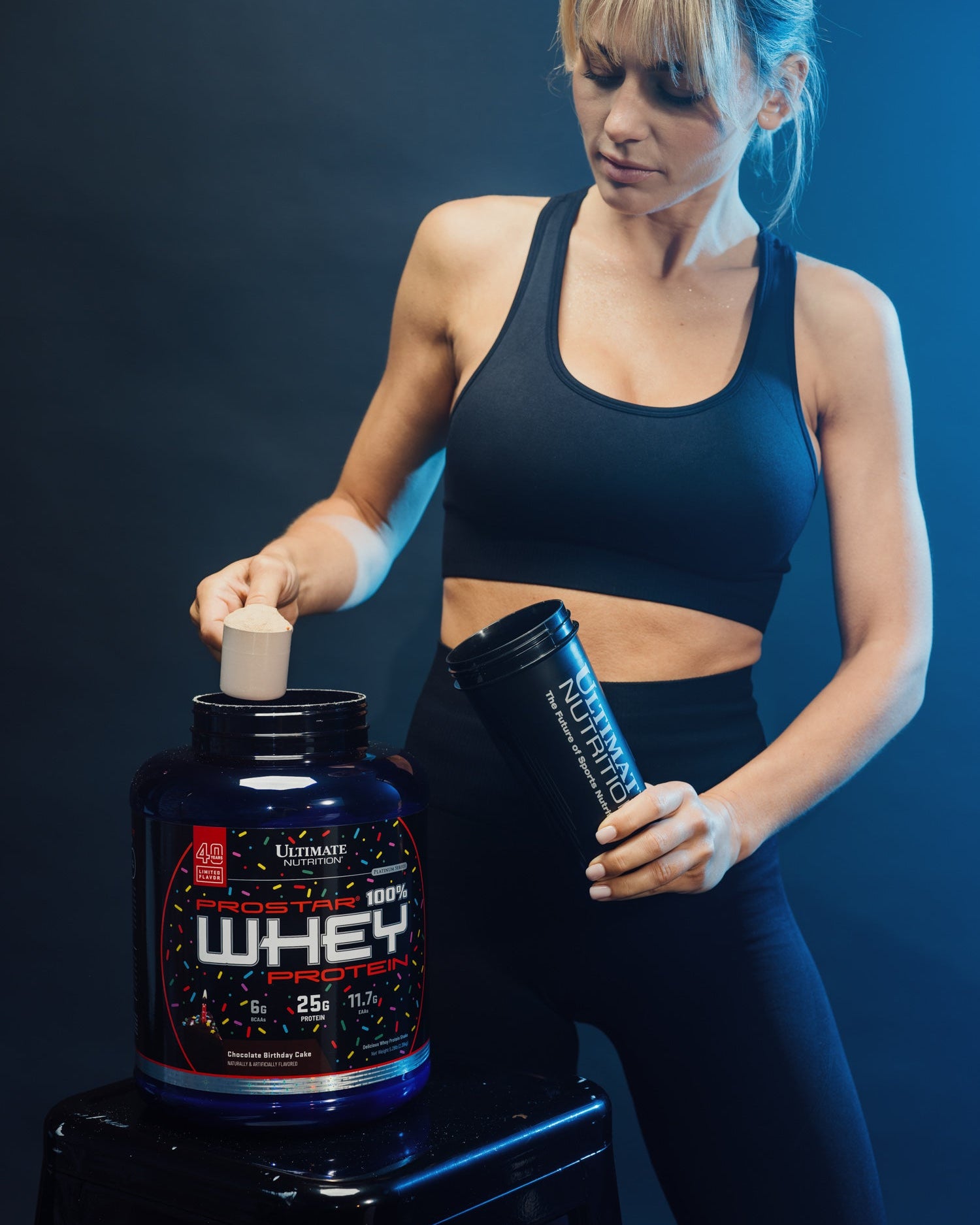
Prostar 100% Whey Protein is ideal for those moments. It mixes cleanly with water or milk, delivers 25g of premium whey protein per serving, and works just as well blended into a quick overnight oat prep or stirred into yogurt as it does in a traditional shake. It's versatile enough to be more than a post-workout drink – it's a protein-density tool you can use throughout the day.
For those preferring a plant-based alternative, Protein Isolate 2 offers a complete amino acid profile from a blend of pea and wheat protein – making it a clean, effective option for athletes who avoid dairy or want a different protein source in their rotation.

Building Your Snack Strategy: A Simple Framework
Consistency matters more than perfection. Rather than reinventing your snack choices every day, build a rotation of three to five go-to options that you actually enjoy and can keep stocked.
Here's a simple structure to work from:
Morning snack (mid-morning, between breakfast and lunch):
Aim for 10–15g protein. Greek yogurt, cottage cheese, or a small serving of nuts and jerky.
Afternoon snack (mid-afternoon, between lunch and dinner):
Aim for 12–20g protein. This is often the hardest window to hit — keep a protein pouch, hard-boiled eggs, or a clean bar in your bag for this slot.
Evening option (if you're running a caloric deficit or training late):
Casein-heavy options like cottage cheese or a casein-based protein work well here — they digest slowly and support overnight recovery without a heavy calorie load.
The Bottom Line
Protein doesn't have to mean protein shakes. With the right snacks in rotation, you can hit your daily targets, stay full and focused, and support muscle synthesis across the whole day, not just around your workouts.
The key is preparation over willpower. Know your go-to options, keep them stocked, and treat snacking as part of your performance nutrition strategy rather than an afterthought.
Prep better. Snack smarter. Perform longer.
The information provided in our articles is meant for informational and educational purposes exclusively and should not be considered as medical advice. It is essential to consult a healthcare professional before starting a new nutritional product and/or making significant changes to your diet and exercise routine. These products are not intended to diagnose, treat, cure, or prevent any disease.