

The women's supplement market is worth billions – and a significant portion of it is built on clever branding rather than clinical evidence. Walk into any supplement store and you'll see shelves full of products in pink packaging promising to burn fat, boost metabolism, and "tone" your body. Most of it is noise.
Here's the reality: the supplements that produce results for women are largely the same ones that produce results for anyone – because human physiology, while it has real differences between sexes, responds to effective nutrition the same way. The difference is knowing which supplements are actually supported by evidence, which ones are overhyped, and how to integrate them into a training and nutrition strategy that works.
This is that guide.
Why the Women's Supplement Market Needs a Reality Check
The marketing playbook for women's supplements follows a predictable formula: use words like "lean," "tone," and "sculpt" instead of "build muscle" and "increase strength." Underdose effective compounds. Add proprietary blends that obscure exactly how little active ingredient is in each serving. Charge a premium for the pink label.
This matters because it does two things: it steers women away from supplements that would actually benefit them, and it creates a ceiling on results — not because of biology, but because of bad information.
Women can build significant muscle. Women do respond to creatine. Women benefit from protein supplementation. The evidence is clear. What's often unclear is how to sort through the noise to find it.
Let's do that now.
 Supplements That Actually Work for Women
Protein Powder
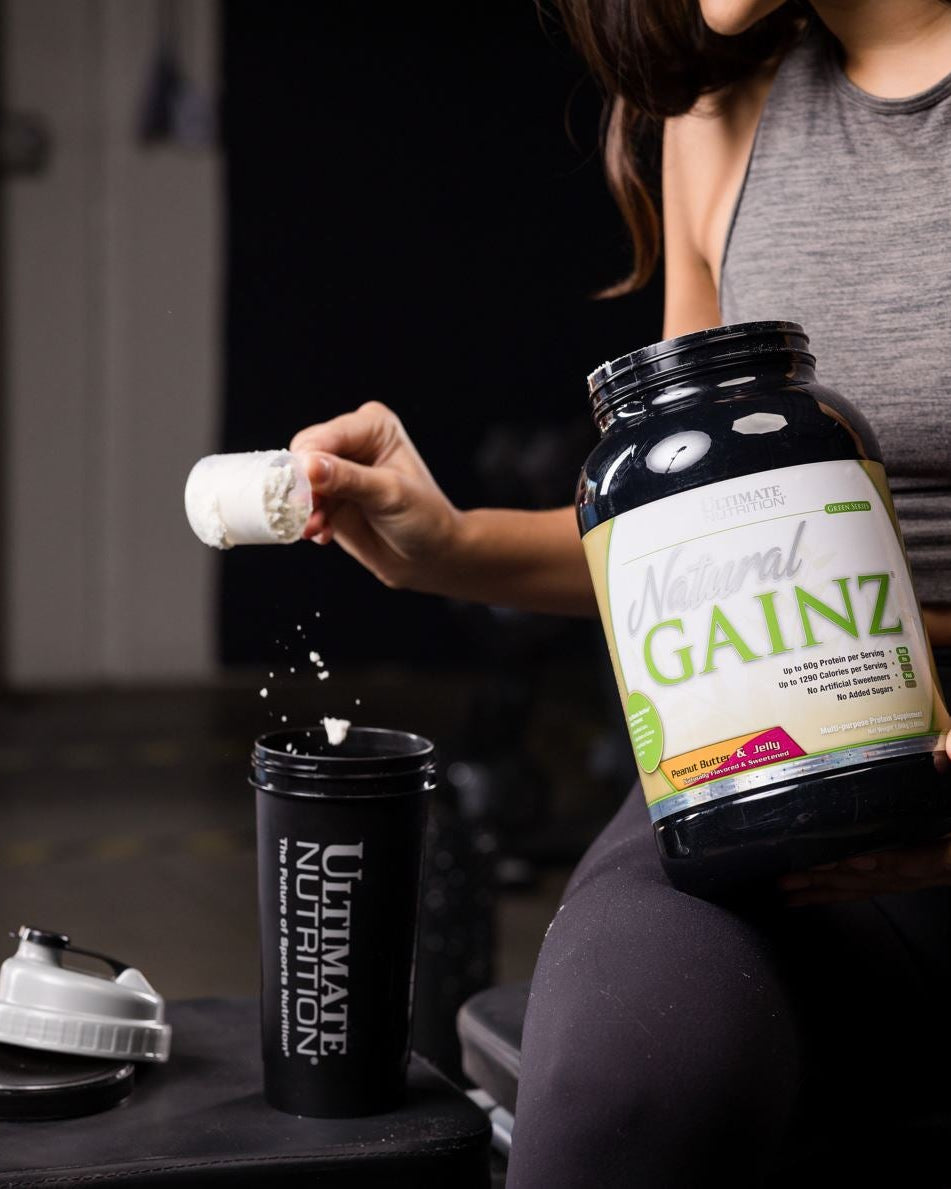
The evidence: Protein is the most research-backed supplement in existence. It supports muscle protein synthesis, aids recovery, promotes satiety, and helps maintain lean mass during a caloric deficit. Women consistently underconsume protein – most research suggests 1.6–2.2g per kilogram of bodyweight is the optimal range for active women – and supplementing with a high-quality protein powder is one of the most reliable ways to close that gap.
What to look for: Complete amino acid profiles with high leucine content are the gold standard. Whey protein is the most studied option for post-training recovery due to its fast absorption and robust leucine content. For women who are lactose-sensitive or prefer a non-dairy source, plant-based blends that combine rice and pea protein can deliver comparable results.
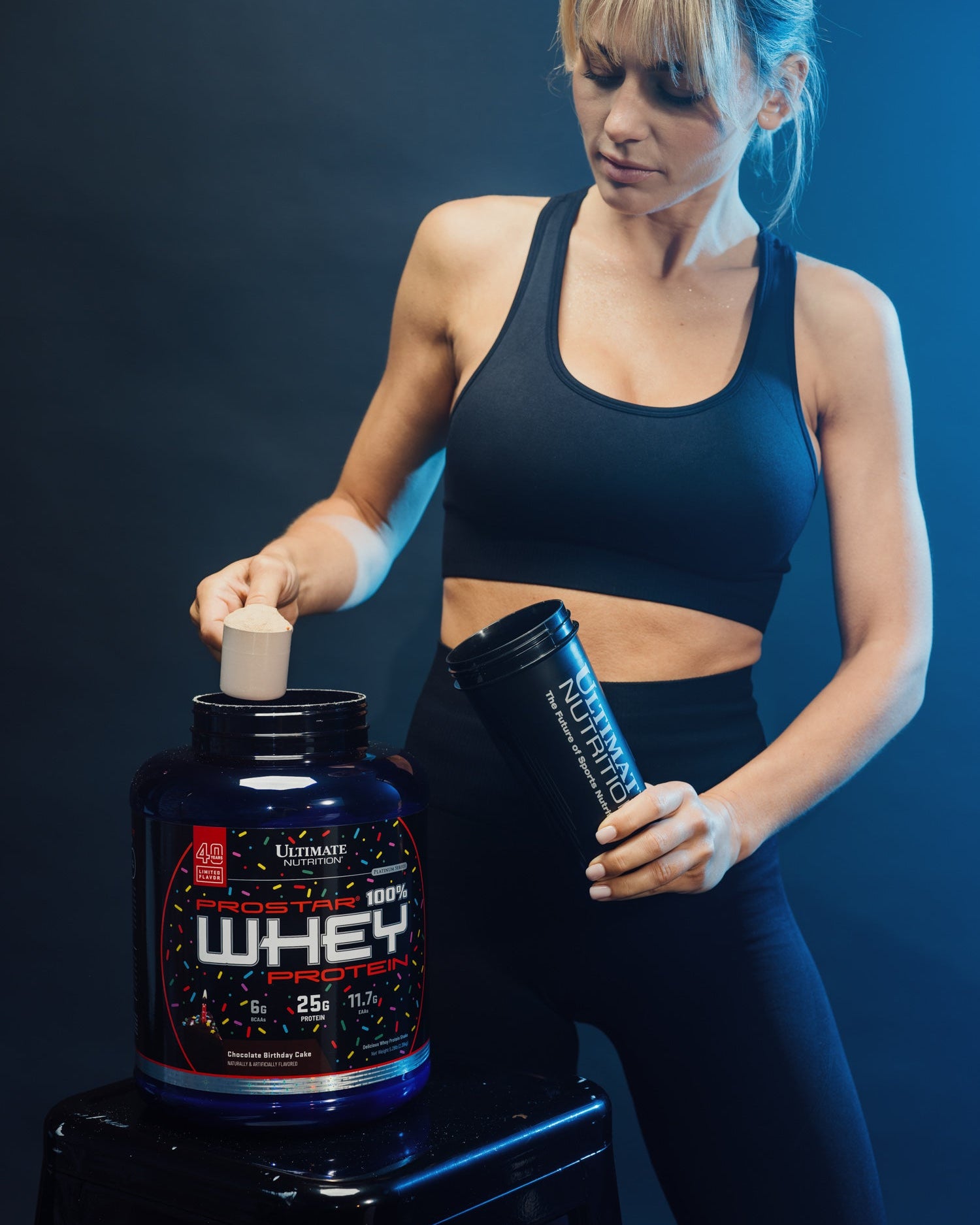
Prostar® 100% Whey Protein delivers 25g of protein per serving with a full essential amino acid profile and minimal fillers – straightforward nutrition that does what it's supposed to.
Verdict: Genuinely effective. Non-negotiable for active women.
Creatine Monohydrate
The evidence: Creatine is the most studied sports supplement on the planet, and the research in women specifically is increasingly compelling. Studies show that women respond to creatine supplementation with improvements in strength, power output, and lean mass – sometimes with even greater relative benefit than men due to typically lower baseline creatine stores. There is also emerging research on creatine's role in cognitive function and hormonal health across the lifespan.
What to look for: Creatine monohydrate is the form with the most research behind it. Skip "buffered," "ethyl ester," or other fancy variants – they haven't consistently outperformed the original in clinical settings. The standard dose is 3–5g daily, taken consistently.
Creatine Monohydrate from Ultimate Nutrition provides pharmaceutical-grade creatine with no proprietary blends or unnecessary additives. The formula is simple by design.
Verdict: One of the most underutilized supplements in women's fitness. The evidence strongly supports it.
BCAAs and Essential Amino Acids
The evidence: Branched-chain amino acids – leucine, isoleucine, and valine – play a direct role in triggering muscle protein synthesis, with leucine acting as the primary anabolic signal. For women training in a fasted state, doing endurance work, or looking to minimize muscle breakdown during a cutting phase, BCAAs provide targeted support without adding significant calories.
Essential amino acids (EAAs) represent a broader and arguably more complete option, as they include all nine amino acids the body cannot synthesize on its own.
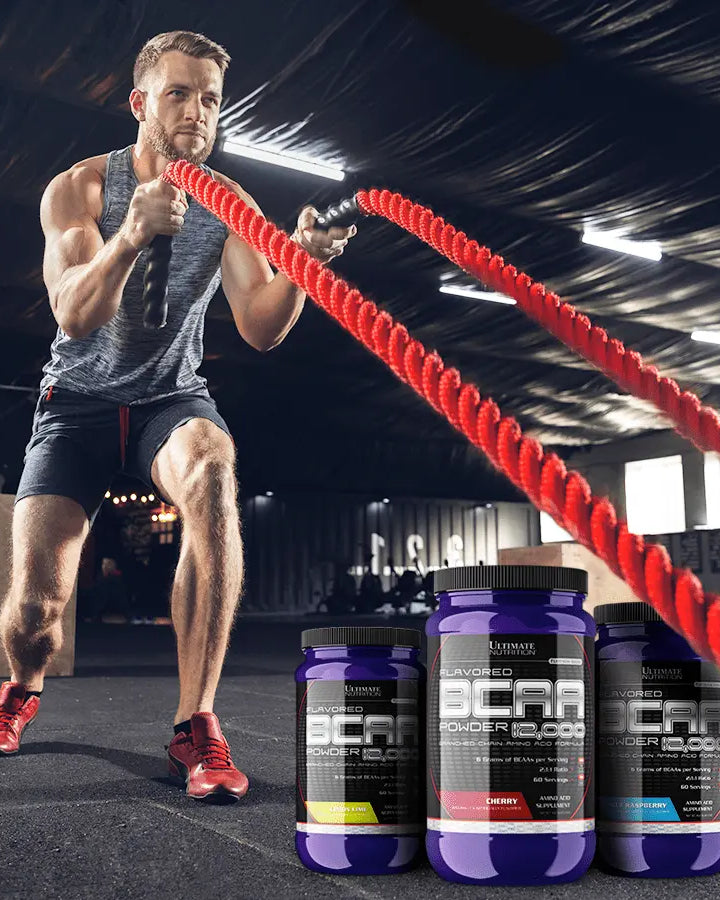
BCAA 12,000 delivers a clinically relevant dose in a 2:1:1 ratio (leucine:isoleucine:valine), making it a practical option pre-workout, intra-workout, or between meals when protein intake might be lower.
Verdict: Effective as a targeted tool, particularly useful for fasted training or high-volume endurance work.
Glutamine
The evidence: Glutamine is the most abundant amino acid in muscle tissue and plays a key role in immune function, gut health, and recovery. During periods of intense training or caloric restriction – both common scenarios for active women – glutamine stores can be depleted, potentially slowing recovery and increasing susceptibility to illness.
Supplemental glutamine is best positioned as a recovery aid, supporting gut integrity and helping maintain immune function during heavy training blocks.
GLUTAPURE® provides pharmaceutical-grade L-glutamine. Add it post-training or before bed for recovery support.
Verdict: Solid supporting supplement, particularly valuable during high-intensity training phases or when immune health is a concern.
Magnesium
The evidence: Magnesium is involved in over 300 enzymatic reactions in the body, including protein synthesis, muscle contraction, nerve function, and blood glucose regulation. It's also one of the most common deficiencies in active women. Symptoms of low magnesium include poor sleep quality, muscle cramps, fatigue, and mood instability – all of which directly affect training performance and recovery.
Women who sweat heavily, restrict calories, or train frequently are at elevated risk for insufficient magnesium intake. Supplementation has been shown to improve sleep quality, reduce exercise-induced inflammation, and support hormonal balance.
ZMA features easily absorbed forms of zinc and magnesium, plus vitamin B6 to enhance mineral uptake and utilization. It is your clinically backed, mineral-driven support for strength, recovery, and performance.
Verdict: Genuinely effective and often overlooked. A foundational micronutrient worth prioritizing.
Vitamin D3
The evidence: Vitamin D functions more like a hormone than a traditional vitamin, with receptors found throughout muscle tissue, the immune system, and the endocrine system. Deficiency is widespread, particularly in women who train indoors, live in northern latitudes, or have darker skin. Low vitamin D is associated with reduced muscle strength, impaired recovery, increased injury risk, and disrupted hormonal function.
For active women, maintaining optimal vitamin D levels (typically 40–60 ng/mL serum 25(OH)D) is foundational to everything else working correctly.
Ultimate Nutrition Vitamin D delivers a clean, no-filler dose to help active women maintain optimal levels year-round – particularly during winter months or when indoor training limits sun exposure.
Verdict: One of the highest-impact supplements for the majority of women. Get blood levels tested and supplement accordingly.
Iron
The evidence: Iron deficiency is the most common nutritional deficiency in women globally, and it has a direct and significant impact on performance. Iron is essential for oxygen transport via hemoglobin, and even mild deficiency – without full anemia – can impair endurance capacity, increase perceived effort during training, and cause persistent fatigue.
Women who menstruate, follow plant-based diets, or train at high volumes have elevated iron needs. Supplementation should be guided by blood work, as excess iron is harmful.
Daily Complete delivers a comprehensive blend of essential vitamins, minerals, and select herbs – including 18mg of Iron – to help fill nutritional gaps and support overall wellness.
Verdict: Critical to test for and address if deficient. A performance limiter that's frequently misattributed to overtraining or poor recovery.
Omega-3 Fatty Acids (EPA/DHA)
The evidence: Omega-3s support a broad range of outcomes relevant to active women: reduced exercise-induced inflammation, joint health, mood regulation, cardiovascular function, and improved muscle protein synthesis when combined with protein intake. The research on EPA and DHA specifically (rather than ALA from plant sources) is the most robust.
For women who don't regularly consume fatty fish, supplementing with high-quality fish oil or algae-derived omega-3s is one of the simpler high-value additions to a supplement protocol.
Ultimate Nutrition Omega-3 Fish Oil provides a concentrated source of EPA and DHA in an easy-to-take softgel – a straightforward way to consistently hit your daily omega-3 targets without relying on dietary intake alone.
Verdict: Genuinely effective across multiple outcomes. A staple in any serious supplement stack.
Supplements That Are Overhyped for Women
"Fat Burners" and Thermogenics
The category is largely built on caffeine, marketed creatively. While caffeine does modestly increase metabolic rate and can improve performance, the additional "thermogenic" compounds in most fat burners have weak evidence at the doses used and are often combined in underdosed proprietary blends.
More importantly, no supplement replaces a caloric deficit and consistent training. Products positioned as fat burners routinely create unrealistic expectations – and the margins on them are enormous, which is why they're marketed aggressively.
The verdict: If you want the performance effect of caffeine, use caffeine. The rest is mostly marketing.
Collagen as a Primary Protein Source
Collagen protein has real applications – particularly for joint and connective tissue support – but it's an incomplete protein with a poor essential amino acid profile. Collagen is low in leucine, which means it does little to stimulate muscle protein synthesis. Using it as a primary protein supplement will leave results on the table.
The verdict: Useful as a targeted joint support tool, not as a protein source for muscle-building or recovery.
Women's "Toning" Supplements
There is no such thing as a supplement that tones muscle. Tone is the result of building lean mass and reducing body fat – both of which require training and nutrition, not a specialty product. Any supplement marketed specifically around "toning" is using the word as a proxy for weight loss while trying to avoid alienating women who are hesitant about "building muscle."
The verdict: Skip anything with "tone" in the marketing copy. Spend that budget on protein or creatine.
Detox and Cleanse Products
The liver and kidneys are your body's built-in detox system, and they work continuously. There is no clinical evidence that detox teas, juice cleanses, or supplement-based "cleanses" improve those processes or accelerate fat loss. Many of these products are primarily laxatives or diuretics – the weight loss is water, not fat.
The verdict: Waste of money. If your goal is gut health, look at probiotic and prebiotic research instead.
 How to Build a Women's Supplement Protocol That Actually Works
The most effective approach is additive: start with what has the strongest evidence, master the basics first, and only layer in additional supplements once the foundation is solid.
Tier 1 – Foundation:
-
High-quality protein powder to hit daily protein targets (1.6–2.2g/kg bodyweight)
-
Vitamin D3 (dose based on blood levels)
-
Magnesium (200–400mg daily, preferably glycinate or malate forms)
-
Omega-3 fatty acids (2–3g EPA/DHA combined daily)
Tier 2 – Performance:
-
Creatine monohydrate (3–5g daily, taken consistently)
-
BCAAs or EAAs for fasted training or high-volume work
Tier 3 – Targeted Recovery:
-
Glutamine for immune support and recovery during intense training blocks
-
Iron (only if deficient — test first)
Build the foundation before worrying about Tier 2 or 3. Most of the results will come from the basics done consistently — and most of the disappointment comes from skipping Tier 1 to chase a Tier 3 product.
The Bottom Line
The supplement industry has done women a disservice by marketing to aesthetics and anxiety rather than performance and function. The good news: the supplements with the most evidence are widely available, relatively affordable, and not wrapped in pink packaging with a premium markup.
Protein works. Creatine works. Vitamin D works. Magnesium works. Omega-3s work. These aren't exciting claims, but they're honest ones, backed by years of research in female populations.
Train hard. Fuel smarter. Build what lasts.
The information provided in our articles is meant for informational and educational purposes exclusively and should not be considered as medical advice. It is essential to consult a healthcare professional before starting a new nutritional product and/or making significant changes to your diet and exercise routine. These products are not intended to diagnose, treat, cure, or prevent any disease.