













Ask ten lifters what they're training for and you'll get two answers more than any other: get bigger, or get stronger. The two goals overlap more than most people assume, but they aren't the same thing, and neither is the supplement stack that supports them.
Hypertrophy is about building muscle tissue. Strength is about producing more force, sometimes without adding much size at all. Once you understand what's actually driving each adaptation, it gets a lot easier to figure out which supplements for hypertrophy or strength supplements deserve a spot in your routine, and which ones are just along for the ride.
Hypertrophy vs. Strength: What's Actually Different
Muscle growth and strength gains come from overlapping but distinct processes, and the difference matters more than most people realize when they're deciding what to actually take.
Hypertrophy training targets the muscle tissue itself. Mechanical tension, metabolic stress, and a degree of muscle damage all combine to trigger the repair-and-rebuild process that leads to bigger muscle fibers over time. Training volume matters too. More total quality reps across a block generally means more of a growth stimulus, as long as recovery keeps pace with the workload.
Strength, especially in the early months of training, is driven by something else almost entirely: your nervous system. A review of neural adaptations to resistance training found that measurable strength gains show up well before any visible muscle growth. That's largely because the body is getting better at recruiting motor units, coordinating muscle groups, and reducing the natural inhibition that limits force output. It's why a new lifter can add real weight to the bar within the first few weeks of a program without looking any different in the mirror.
Neither adaptation happens in a vacuum. Most lifters are building some of both, all the time. But the primary driver differs enough that it's worth choosing supplements based on which one you're actually chasing this cycle, rather than picking whatever tub has the most aggressive label.
Common Myths Worth Clearing Up
Myth: You need a completely different stack for each goal.
Not really. The overlap between the best supplements for hypertrophy and the best strength supplements is bigger than the marketing around "bulking" and "strength" formulas suggests. Protein and creatine matter to both goals for the same underlying reasons. Muscle repair and energy availability don't care what your training split looks like this month.
Myth: More protein always means more muscle.
There's a ceiling. Research summarized in the International Society of Sports Nutrition's position stand on protein puts the effective range for building or maintaining muscle at roughly 1.4–2.0 grams per kilogram of bodyweight daily for most people who train. Higher intakes only show a clear benefit during a calorie deficit, where they help preserve lean mass. Beyond that range, extra protein mostly just displaces other calories in your diet.
Myth: Creatine is a size supplement, not a strength one.
Creatine's mechanism has nothing to do with bulk. It works by replenishing the phosphocreatine your muscles use to regenerate ATP during hard efforts, which directly supports force output. That makes it just as relevant to a powerlifter chasing a new max as it is to someone chasing arm size. We covered the full mechanism, dosing, and myths in our creatine guide if you want the deeper dive.
Myth: A stimulant pre-workout builds strength by itself.
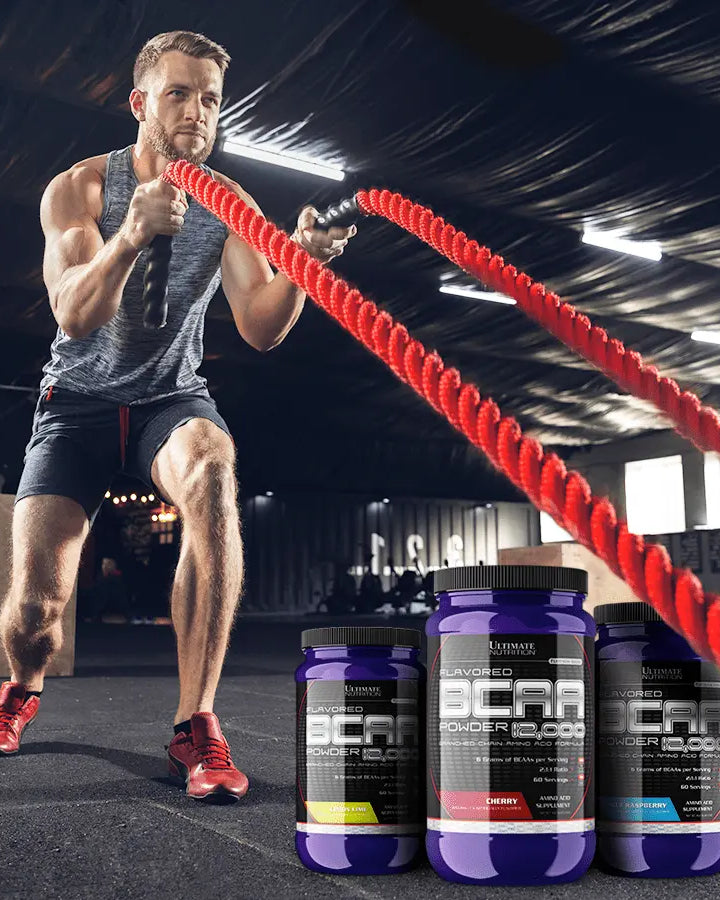
Ingredients like caffeine and beta-alanine can help you do more quality work in a session, which supports the adaptation you're chasing. They don't replace it. No pre-workout on the market adds a pound of muscle or ten pounds to your squat without the training behind it.
Myth: You can't train for hypertrophy and strength at the same time.
For most lifters, especially anyone who isn't already advanced, you can chase both at once without much compromise. Specialization becomes more necessary the closer you get to your genetic and training ceiling, not before it.
Who Should Lean Which Way?
Hypertrophy-focused lifters benefit most from a supplement approach built around consistent protein intake, enough total calories to support growth, and recovery support between sessions. That covers bodybuilders, physique competitors, and anyone training mainly for size.
Strength-focused lifters, including powerlifters, Olympic lifters, and strongman competitors, get more mileage out of supplements that support single-effort or low-rep power output. Think creatine, beta-alanine, and stimulants that extend focus and readiness across heavy sets.
Everyone else, which is most people training with weights, falls somewhere in between. You can build a stack around the shared foundation below and lean a little toward whichever goal matters more this cycle.

The Shared Foundation: Protein and Creatine
Regardless of which goal you're prioritizing, two supplements earn their place in almost anyone's routine.
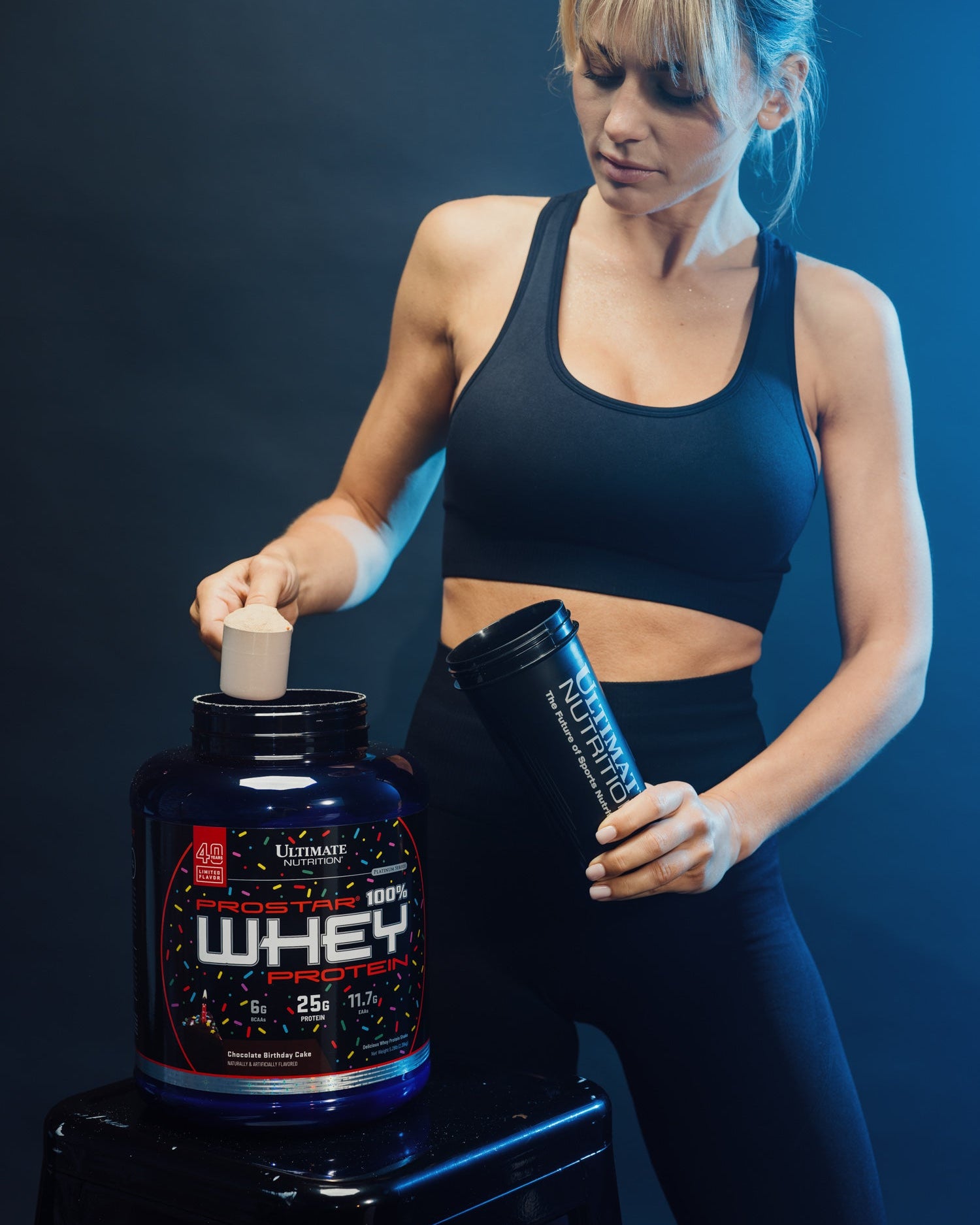
Protein does the actual rebuilding. A fast-digesting whey covers the basics well, particularly around training sessions when your muscles are primed to use the amino acids. Prostar 100% Whey Protein delivers 25 grams of protein and over 6 grams of naturally occurring BCAAs per serving from a blend of whey isolate, concentrate, and peptides, with only 2 grams of carbs. It's an easy way to hit your daily protein target without much fuss.
Creatine monohydrate is the other non-negotiable, for hypertrophy and strength alike. At a standard maintenance dose of 3–5 grams daily, it increases the phosphocreatine stores your muscles draw on during any high-intensity effort, whether that's a max-effort deadlift or the eighth rep of a hypertrophy set. Ultimate Nutrition Creatine Monohydrate delivers a clean 5-gram dose of micronized creatine per serving, with nothing else added.

Supplementing for Hypertrophy
Once the foundation is covered, lifters chasing size get the most benefit from supplements that support total food intake, recovery, and muscle protein synthesis outside the gym.
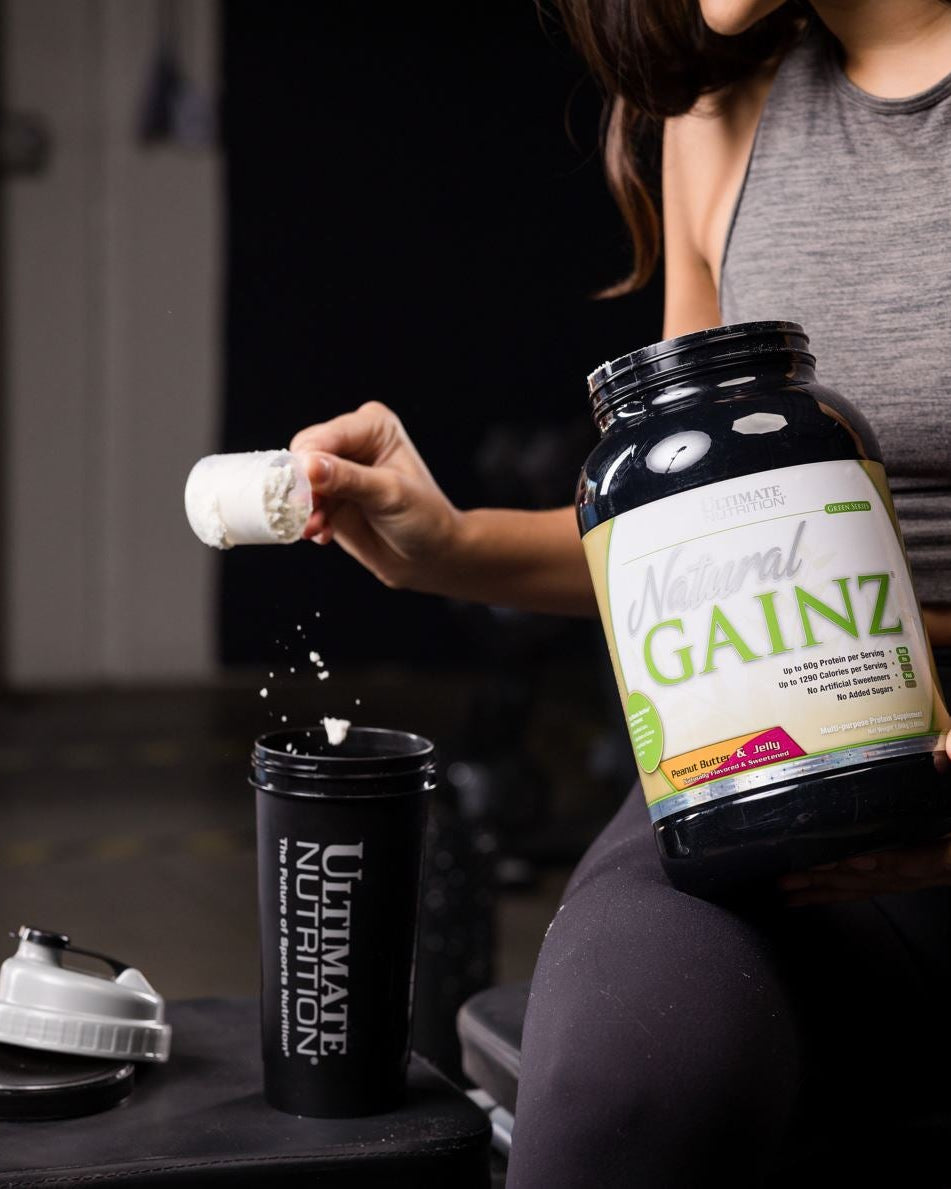
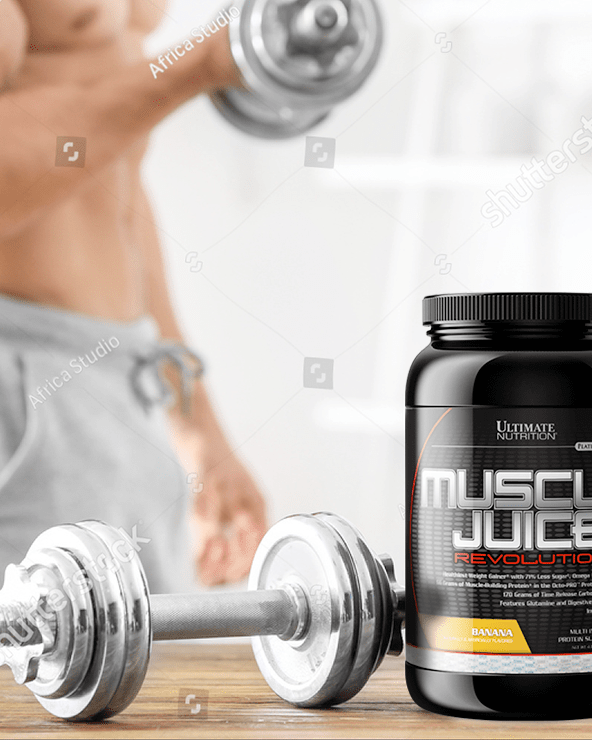
Extra calories, without extra effort at the table. Building muscle requires a calorie surplus, and eating enough can be the hardest part of the job for lifters with a fast metabolism or a packed schedule. Muscle Juice Revolution 2600 packs 56 grams of protein and 170 grams of time-release carbohydrates per serving, making it a practical way to close a calorie gap that food alone isn't filling.
Protein before bed. The same ISSN position stand on protein found that a pre-sleep dose in the 30 to 40 gram range increases muscle protein synthesis overnight without any negative effect on fat metabolism. Prostar 100% Casein is built for exactly that window. Its blend of hydrolyzed and micellar casein releases amino acids over roughly 7 hours, which lines up well with a full night's sleep.
Supplementing for Strength
Strength-focused training rewards supplements that extend how much quality force output you can sustain across heavy sets, rather than ones focused on recovery volume. This is where a strength stack starts to look different from a pure hypertrophy one.
Beta-alanine buffers fatigue during your hardest sets. The ISSN's position stand on beta-alanine found that 4 to 6 grams daily for at least two to four weeks raises muscle carnosine levels. That helps buffer the acid buildup that causes fatigue during short, maximal efforts in the one-to-four-minute range, right in the zone of a heavy strength set.
Citrulline and caffeine support the output itself. Citrulline supports blood flow during sustained effort, and a solid dose of caffeine extends focus and readiness across a full session of heavy lifting. Pre Gold combines 3 grams of L-citrulline and 1.6 grams of beta-alanine with a 250mg caffeine anhydrous and 50mg di-caffeine malate blend, built around the ingredients strength athletes lean on most.
If you're closing in on a meet or a testing day, a short creatine loading phase can help you saturate faster than the standard maintenance dose. We walk through exactly how in our creatine guide.
Putting It Together
A hypertrophy-focused stack typically looks like this: whey and/or casein protein, creatine at a maintenance dose, and a mass gainer if hitting your calorie target through food alone is a struggle.
A strength-focused stack typically looks like this: whey protein, creatine (with an optional loading phase around competition), and a pre-workout built around beta-alanine, citrulline, and caffeine.
Notice how much doesn't change between the two. The differences show up at the edges, not the core. If you're adjusting your overall diet to match either goal, our guide on macronutrient ratios breaks down how to shift protein, carbs, and fat without guessing.
The Bottom Line
Hypertrophy and strength aren't opposite goals requiring opposite supplement stacks. They share a foundation of protein and creatine, and they diverge mainly at the accessory layer: extra calories and pre-sleep protein for size, or beta-alanine and citrulline-driven pre-workouts for force output. Figure out which adaptation you're actually training for this cycle, then build around that, not around whichever label happens to be on the tub.
The information provided in our articles is meant for informational and educational purposes exclusively and should not be considered as medical advice. It is essential to consult a healthcare professional before starting a new nutritional product and/or making significant changes to your diet and exercise routine. These products are not intended to diagnose, treat, cure, or prevent any disease.